
Hey Combat Athletes! 🥊 Let's talk BODY COMPOSITION. It's more than just a number on the scale – it’s crucial for hitting weight categories, maximizing strength, and boosting endurance.
🔬 How to Measure?
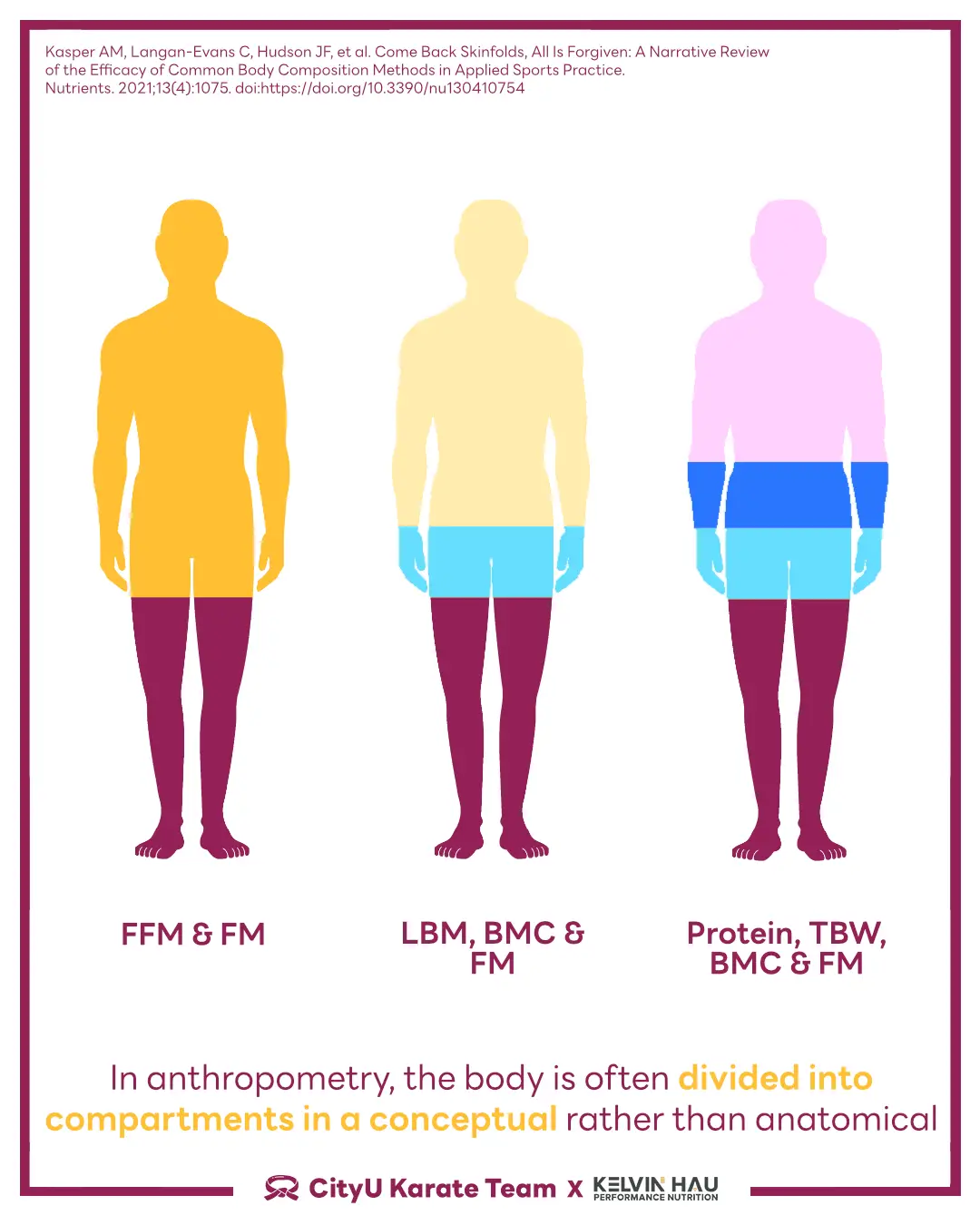
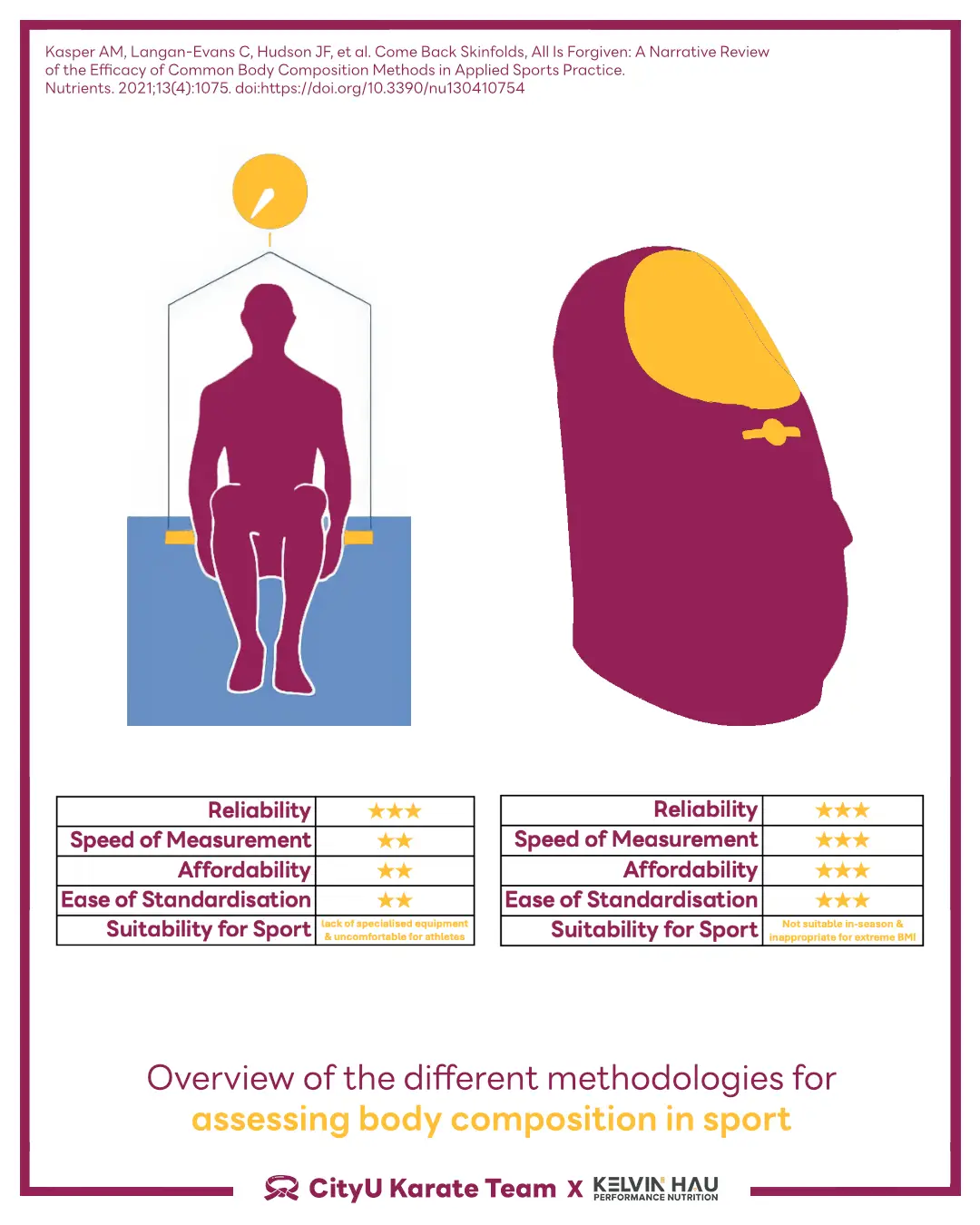
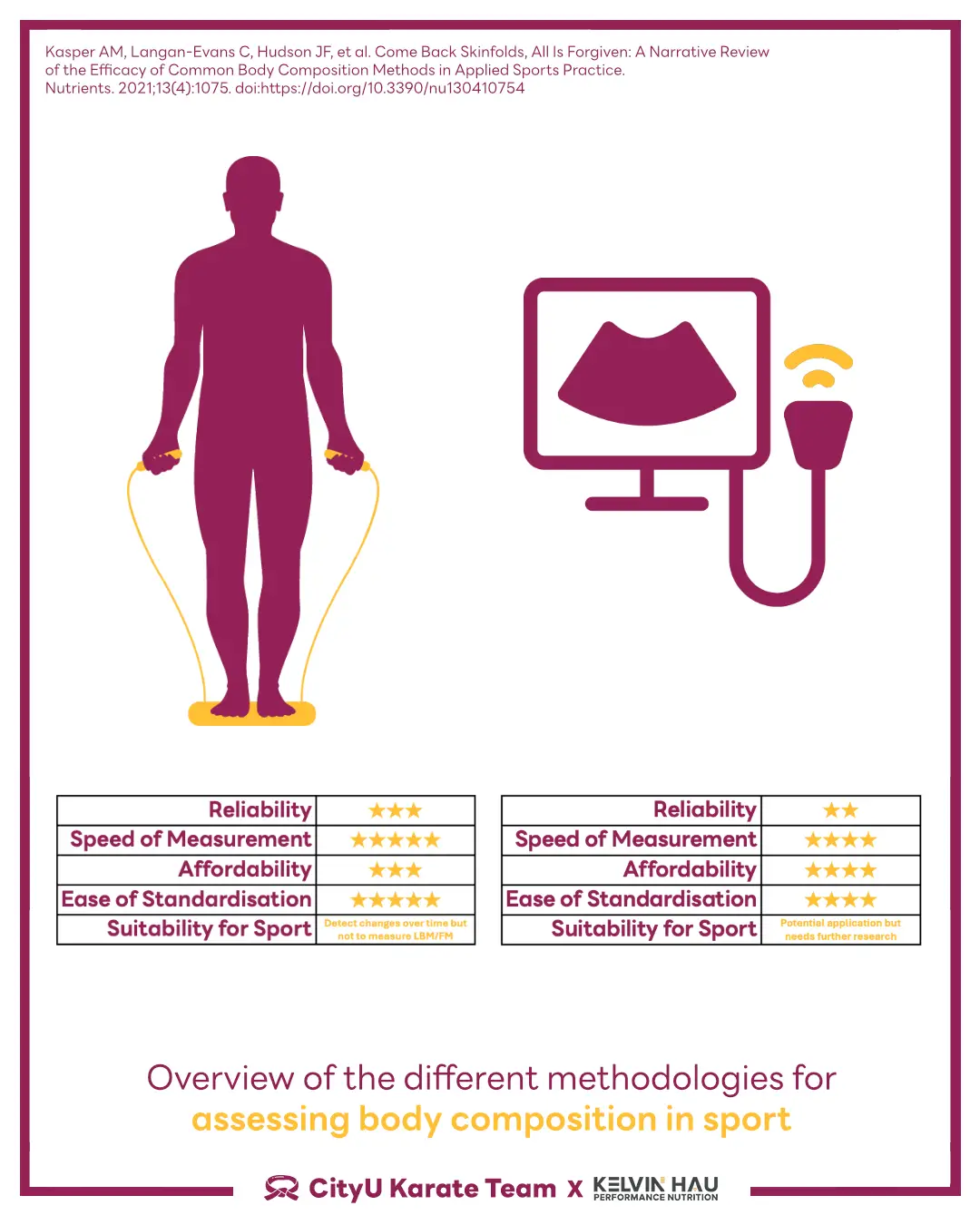
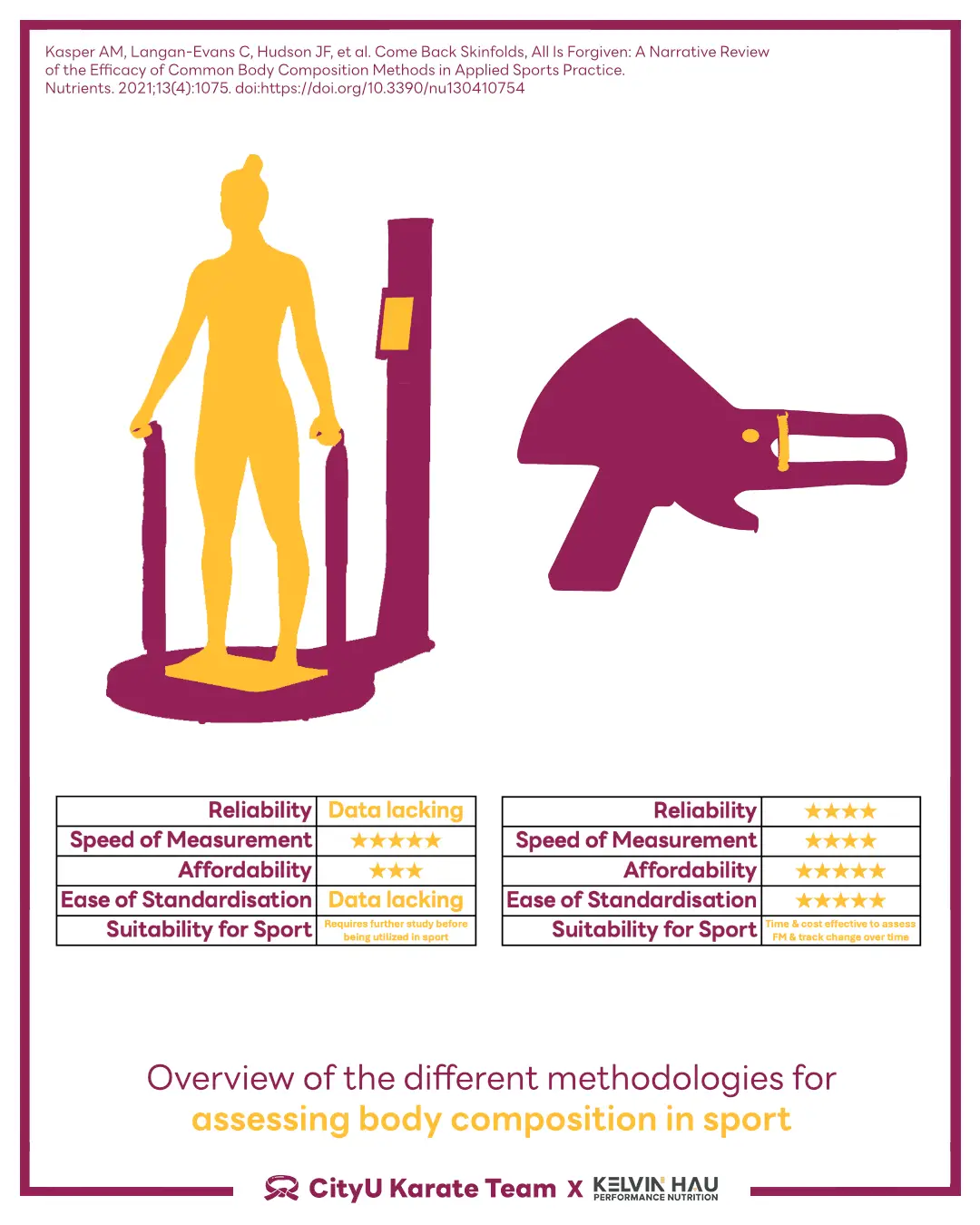
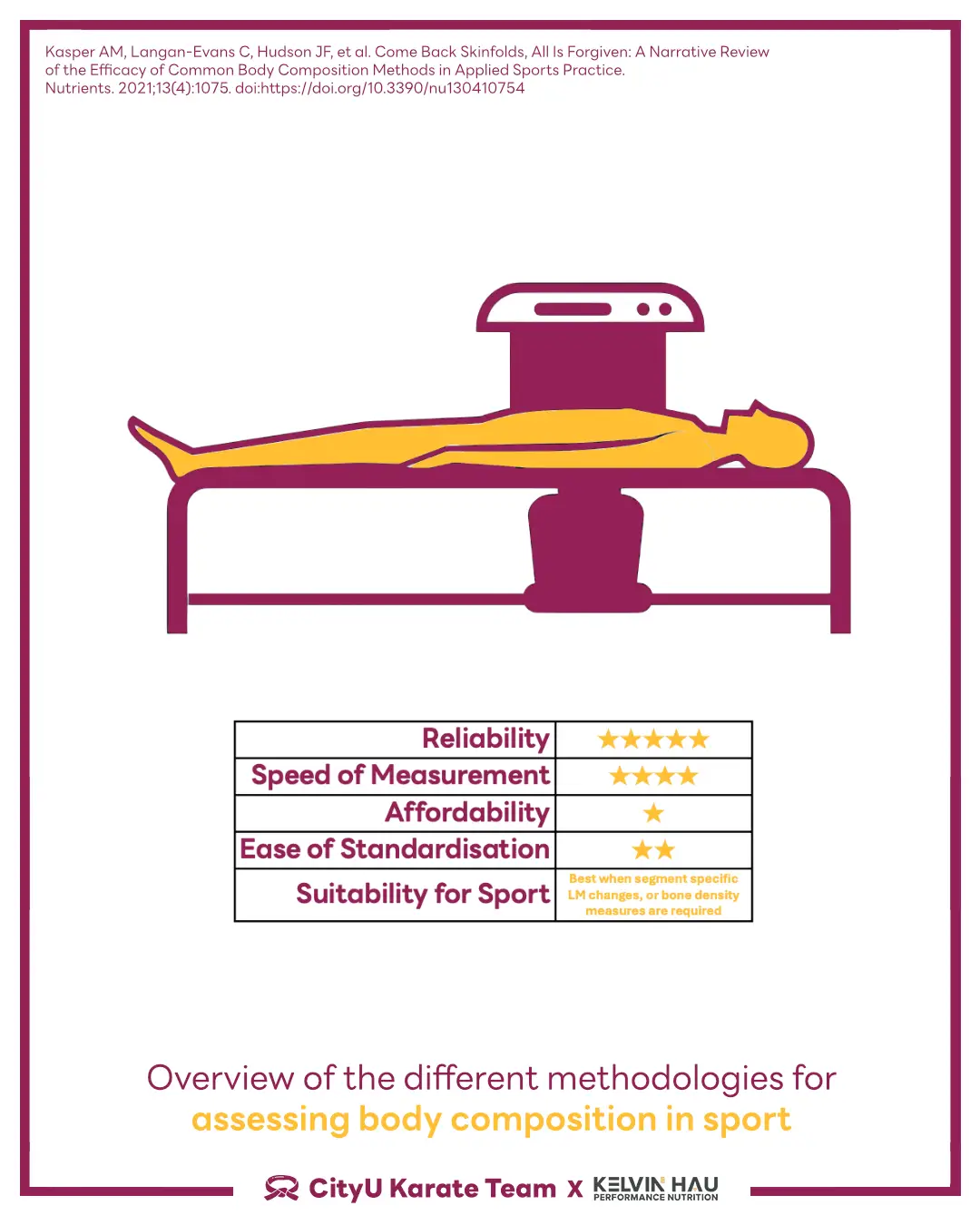
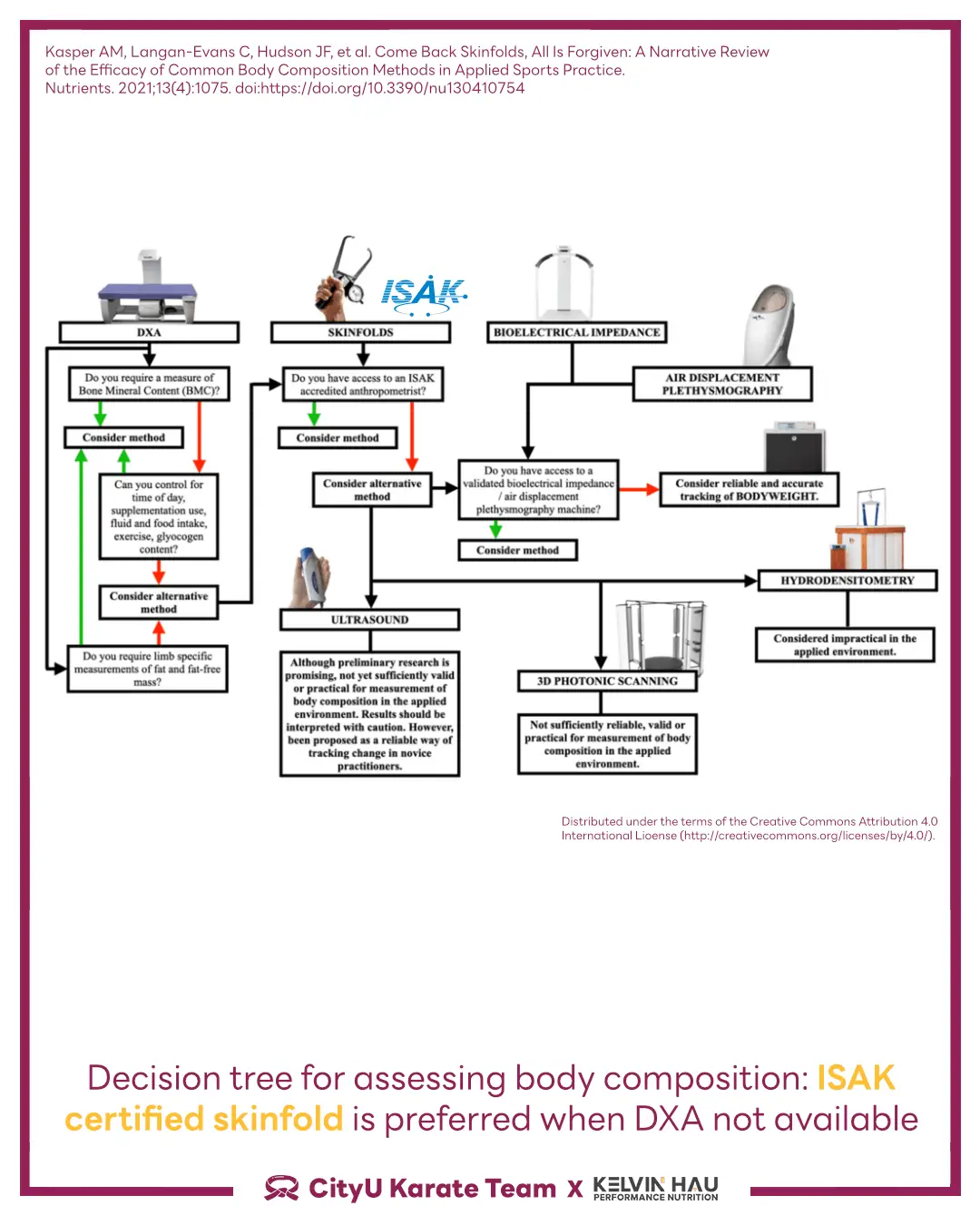
Several methodologies exist for assessing body composition, each with its own advantages and limitations. While DXA is a gold standard for detailed analysis (limb-specific fat/lean mass, bone mineral content), don't underestimate ISAK Skinfolds! They are:
- Practical: Simple, quick, low-cost.
- Reliable for Tracking: Great for monitoring changes in body fatness over time (use sum of 8 sites in mm, not just %!).
- Less Affected: By daily fluctuations in food intake or hydration. Make sure your assessor is ISAK certified (Level 1 minimum) for accuracy!
🧬 Beyond Fat %: Know Your Somatotype!
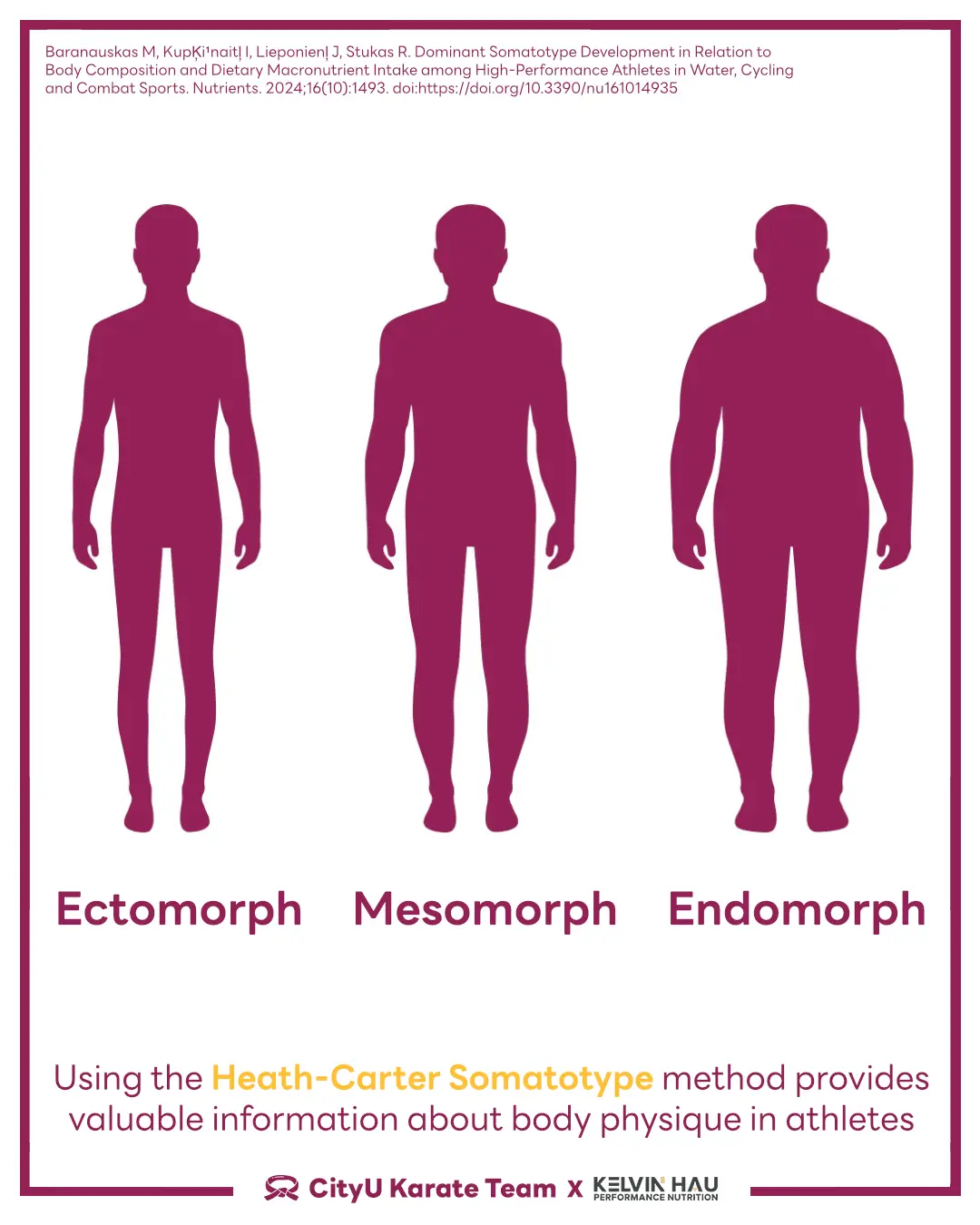
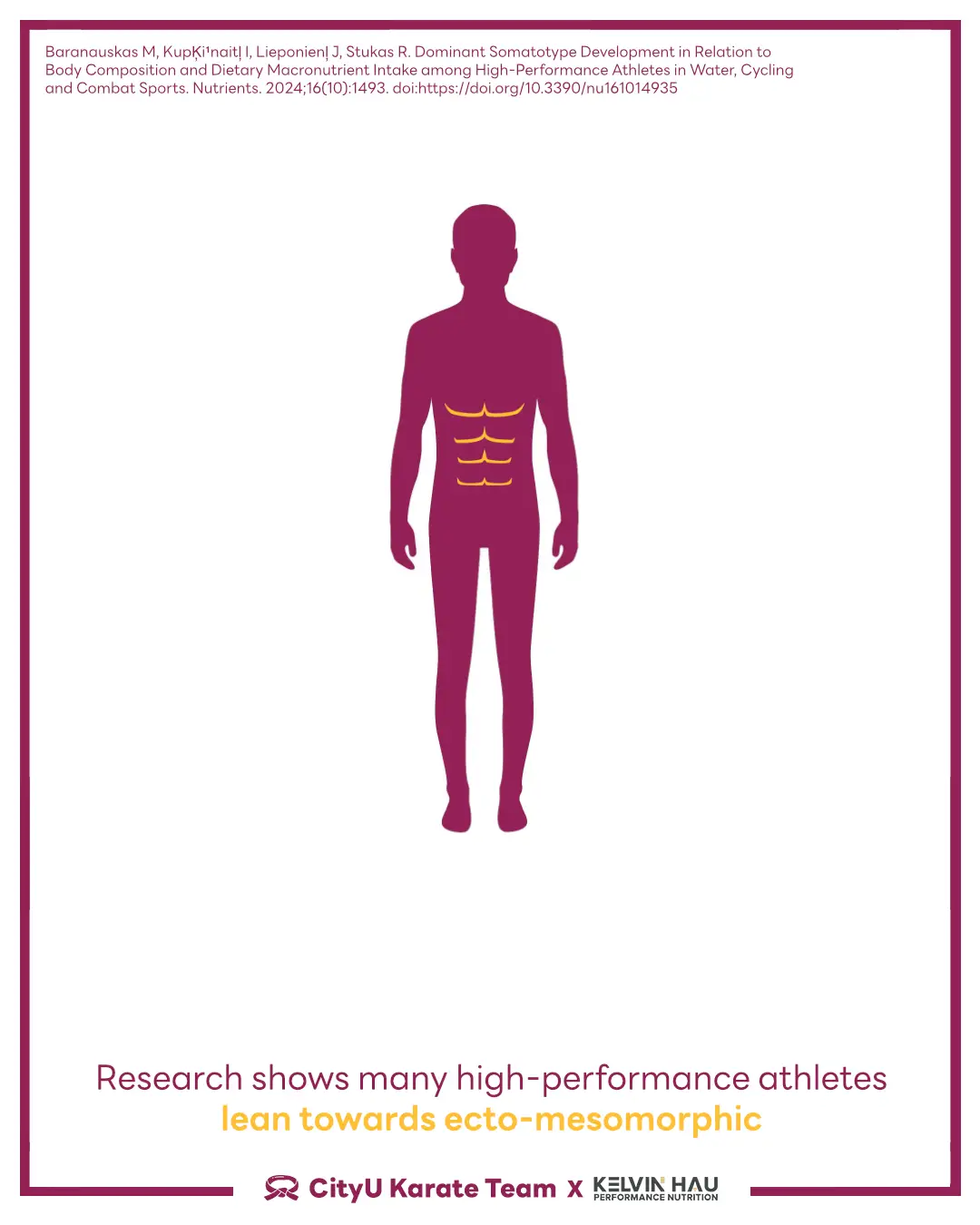
The Heath-Carter method tells us if you're more Endomorph, Mesomorph, or Ectomorph. This influences training adaptations and even nutrition strategies! Research shows many high-performance athletes lean towards ecto-mesomorphic. Here the nutrition considerations for different somatotype:
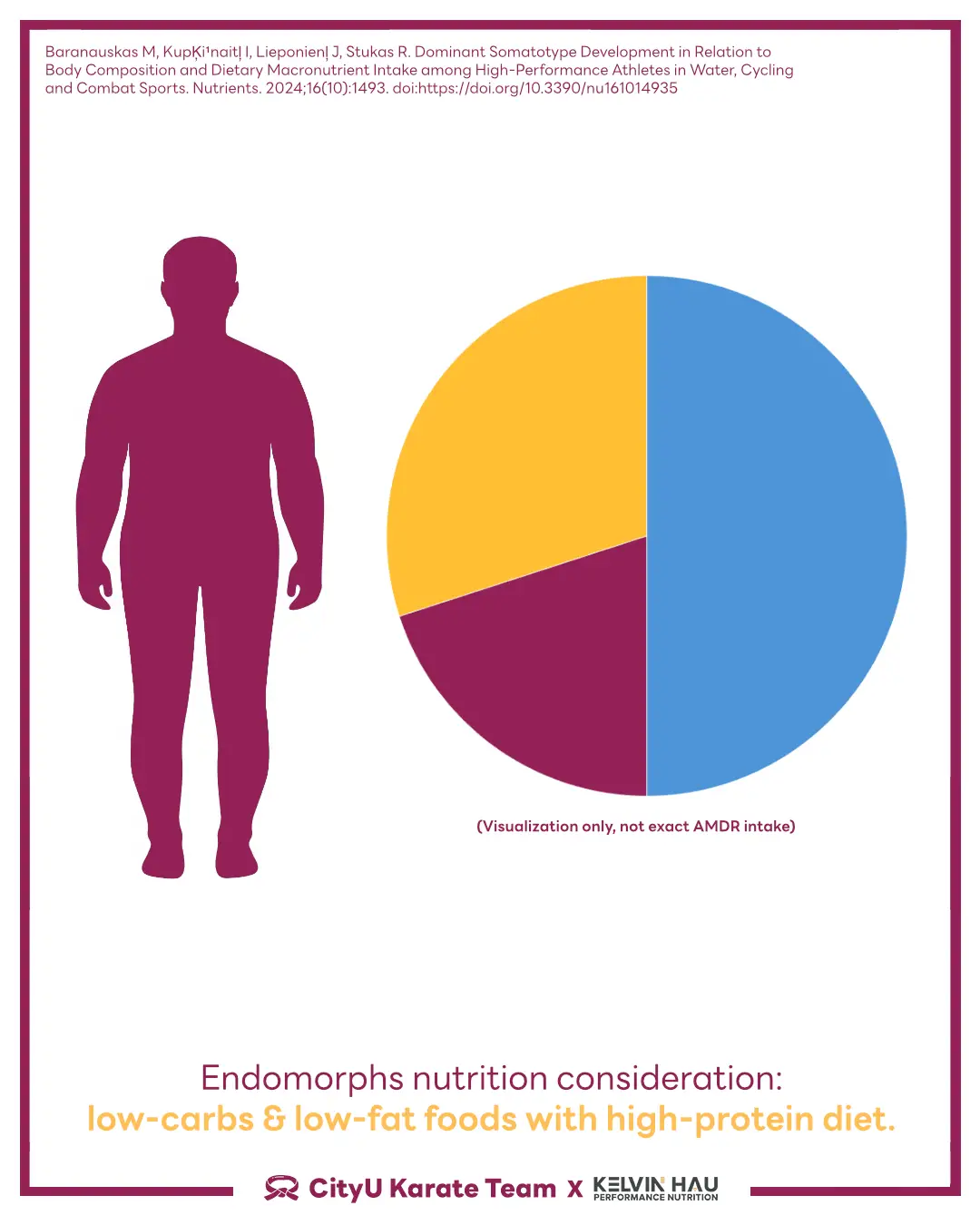
- Endomorphs: May need low-carbs & low-fat foods with high-protein diet.
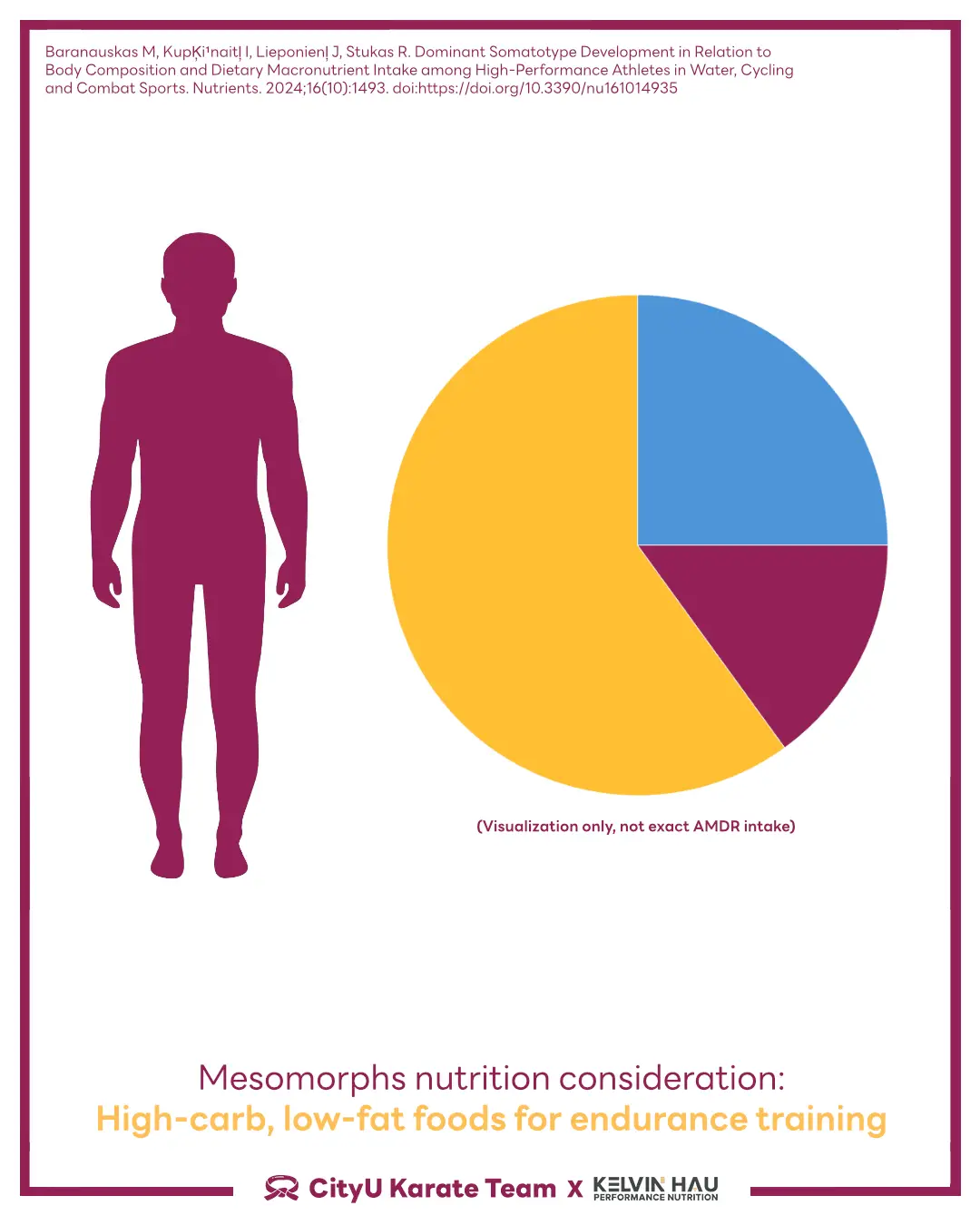
- Mesomorphs: Benefit from adequate high-carb, low-fat foods for endurance training.
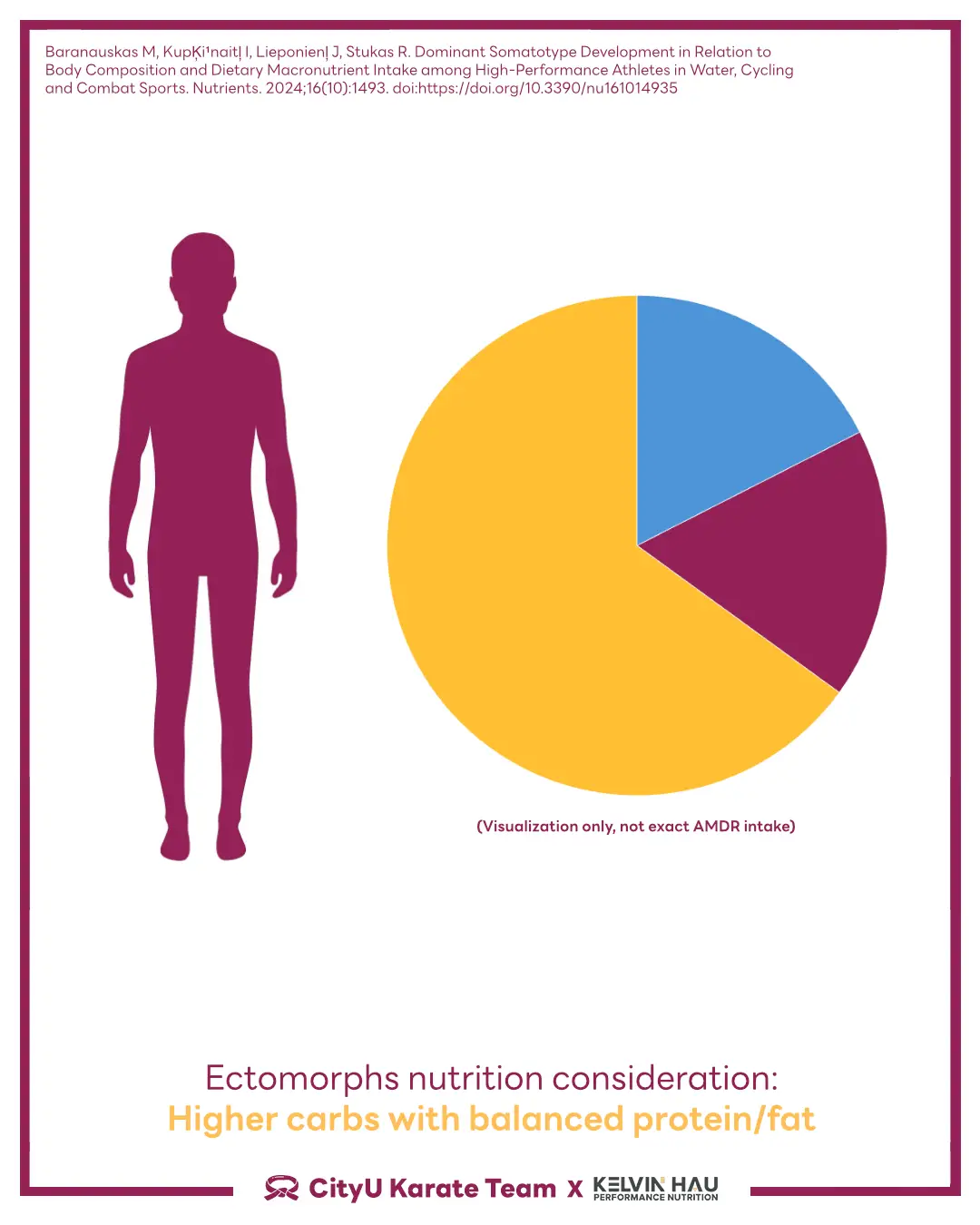
- Ectomorphs: Often thrive on higher carbs with balanced protein/fat.
⚠️ Crucial Considerations:
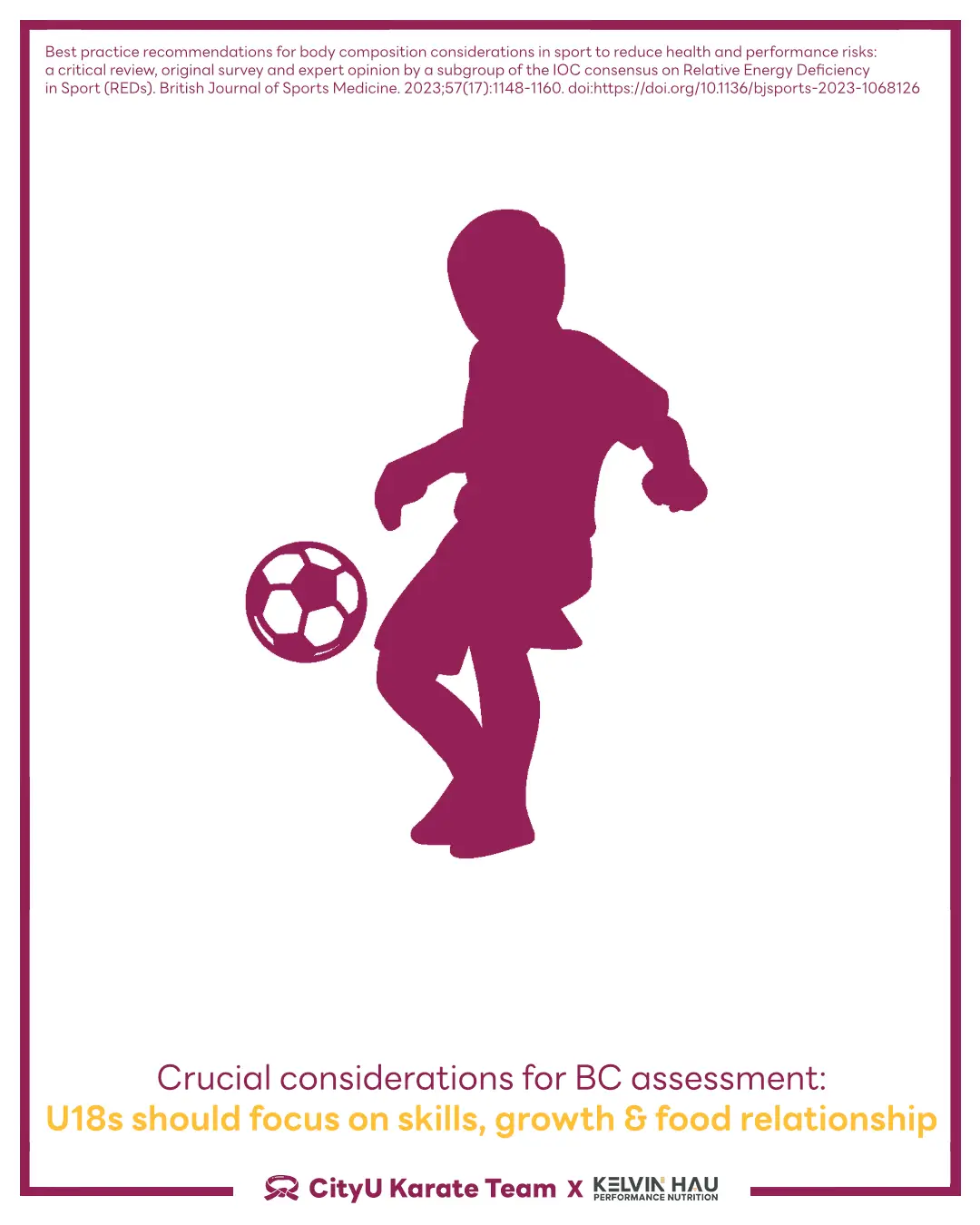
- Don't Over-Fixate: Especially for adolescent athletes (<18). Focus on skill development, positive food relationships, and overall growth. Body comp assessment for U18s needs careful consideration by a multidisciplinary team.
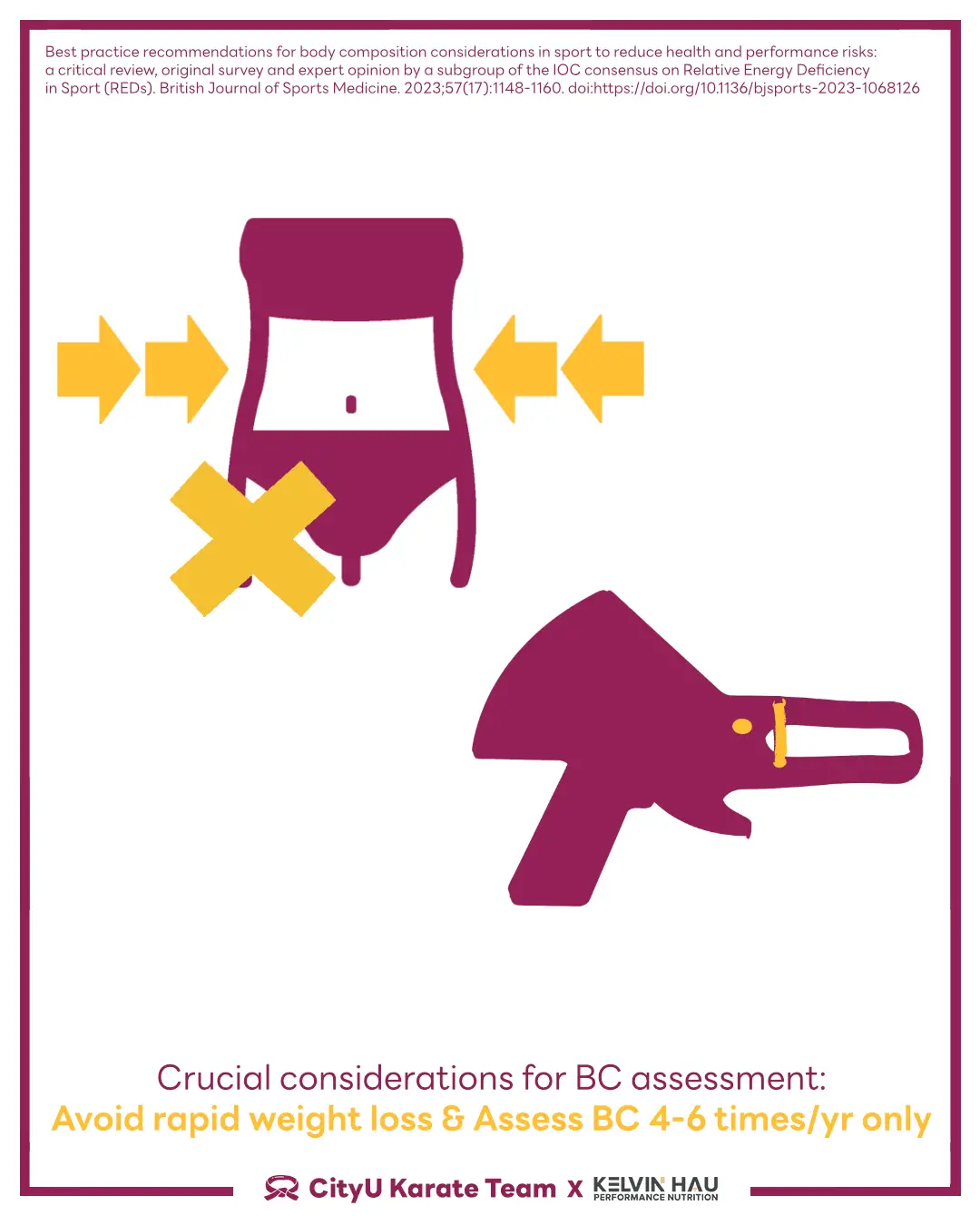
- Sustainable Practices: Avoid rapid weight loss.
- Frequency: Assessments 4-6 times/year are likely enough.
🏆 My Practical Takeaways:
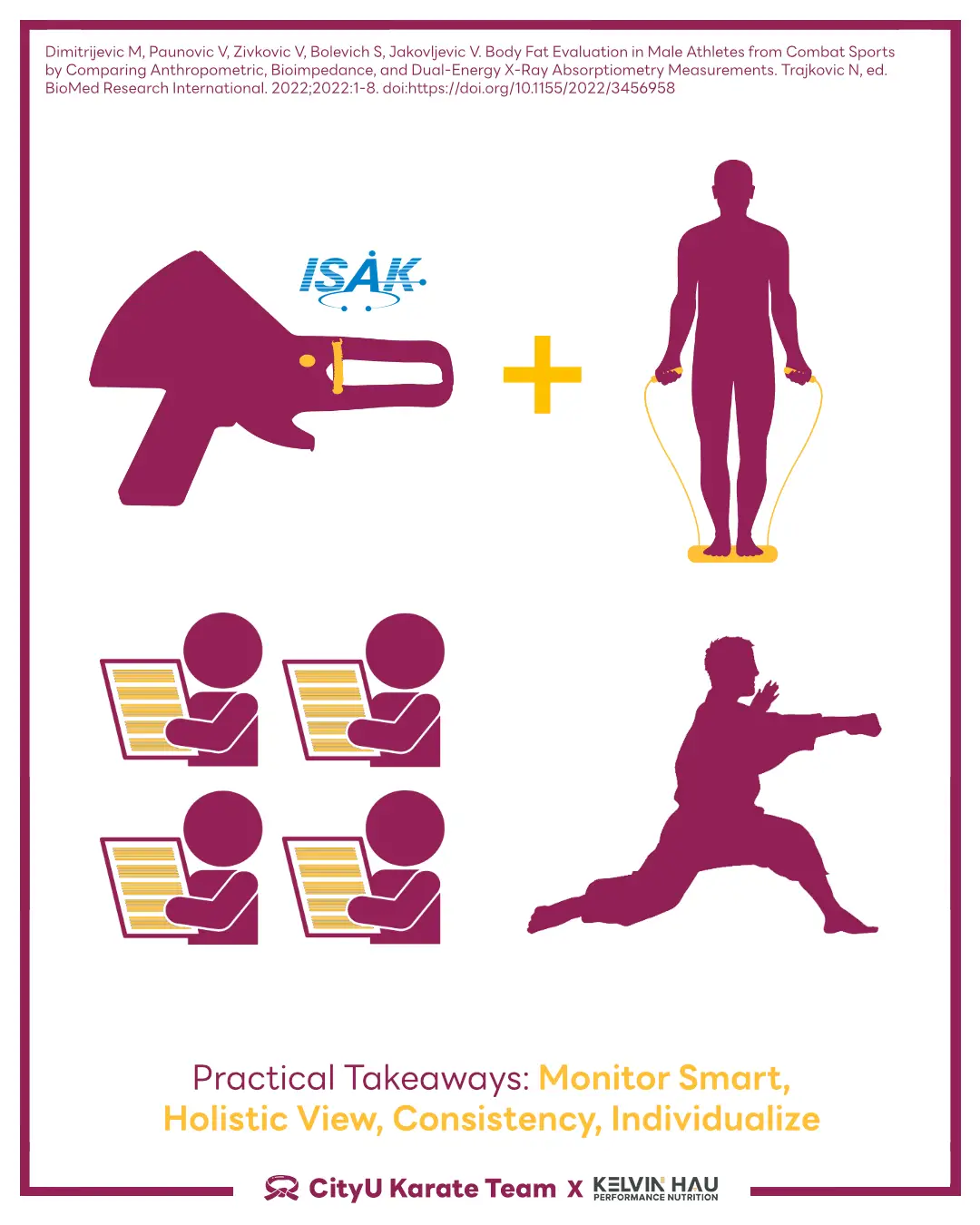
- Monitor Smart: Use ISAK skinfolds (sum of 8 sites) by a trained pro.
- Holistic View: Combine methods if needed (e.g., BIA for hydration) with sport-specific reference ranges.
- Consistency: Stick to the same method, practitioner and standardization procedures for reliable tracking.
- Individualize: Interpret data based on sport, weight class, gender, and your goals.
Body composition is a tool to enhance performance & health – use it wisely!
Reference:
- Siedler MR, Rodriguez C, Stratton MT, et al. Assessing the Reliability and Cross-Sectional and Longitudinal Validity of 15 Bioelectrical Impedance Analysis Devices. British Journal of Nutrition. 2022;130(5):1-29. doi:https://doi.org/10.1017/S00071145220037492.
- Huang L, Teo CJH, Luan Y, Tekwe CD. Predicting Body Fat Percentage from Anthropometric Measurements in Asian Athletes. Journal of Science in Sport and Exercise. 2023;6(4):368-377. doi:https://doi.org/10.1007/s42978-023-00231-23.
- Kasper AM, Langan-Evans C, Hudson JF, et al. Come Back Skinfolds, All Is Forgiven: A Narrative Review of the Efficacy of Common Body Composition Methods in Applied Sports Practice. Nutrients. 2021;13(4):1075. doi:https://doi.org/10.3390/nu130410754.
- Baranauskas M, Kupčiūnaitė I, Lieponienė J, Stukas R. Dominant Somatotype Development in Relation to Body Composition and Dietary Macronutrient Intake among High-Performance Athletes in Water, Cycling and Combat Sports. Nutrients. 2024;16(10):1493. doi:https://doi.org/10.3390/nu161014935.
- Mathisen TF, Ackland T, Burke LM, et al. Best practice recommendations for body composition considerations in sport to reduce health and performance risks: a critical review, original survey and expert opinion by a subgroup of the IOC consensus on Relative Energy Deficiency in Sport (REDs). British Journal of Sports Medicine. 2023;57(17):1148-1160. doi:https://doi.org/10.1136/bjsports-2023-1068126.
- Dimitrijevic M, Paunovic V, Zivkovic V, Bolevich S, Jakovljevic V. Body Fat Evaluation in Male Athletes from Combat Sports by Comparing Anthropometric, Bioimpedance, and Dual-Energy X-Ray Absorptiometry Measurements. Trajkovic N, ed. BioMed Research International. 2022;2022:1-8. doi:https://doi.org/10.1155/2022/3456958