



🚨 Energy Drinks: The Science Behind the Buzz 🧪
Ever wondered what's really in that can of energy drinks (EDs)? As a sports nutritionist, I'm here to break down the facts and science behind these popular beverages.
📊 Did you know?
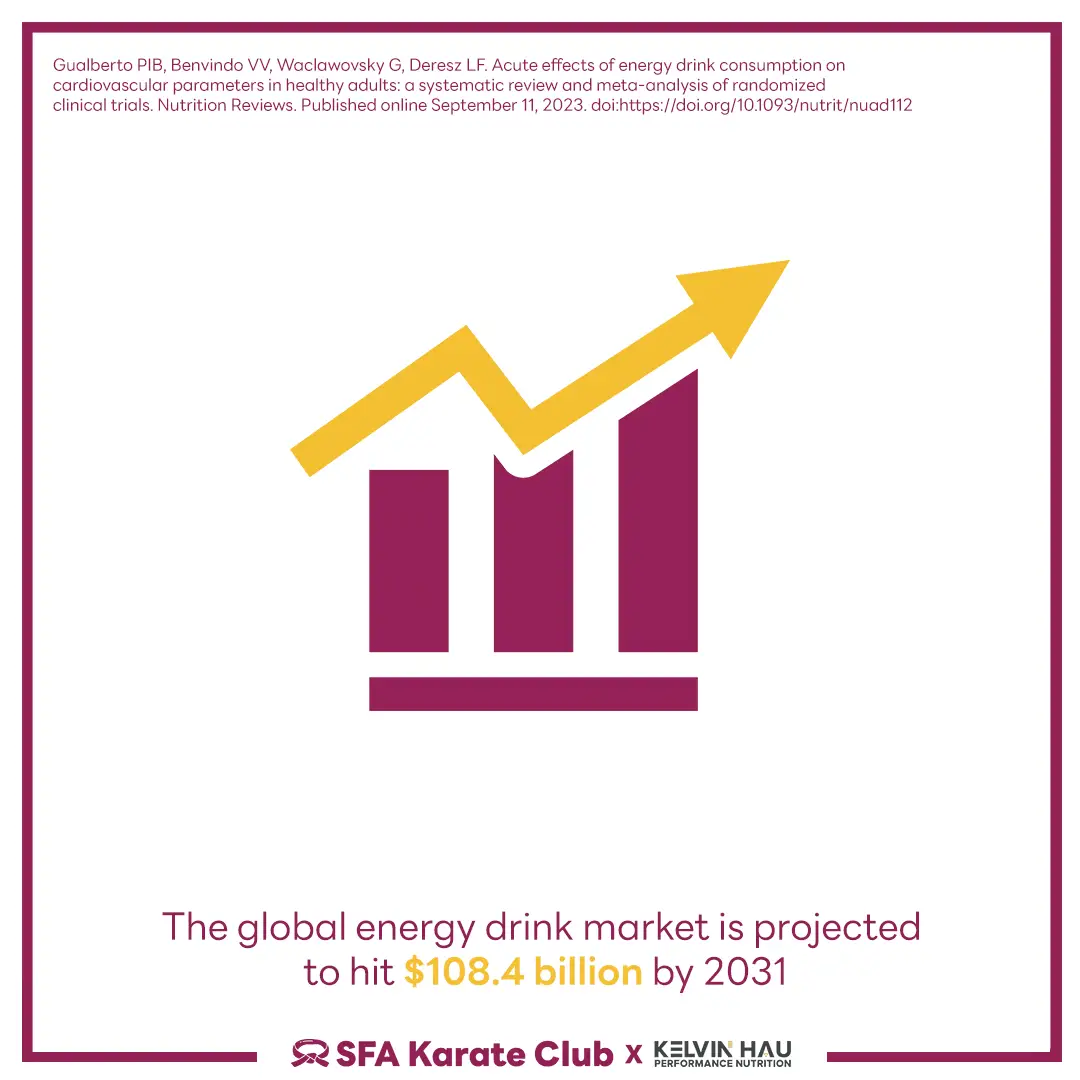
- The global energy drink market is projected to hit $108.4 billion by 2031
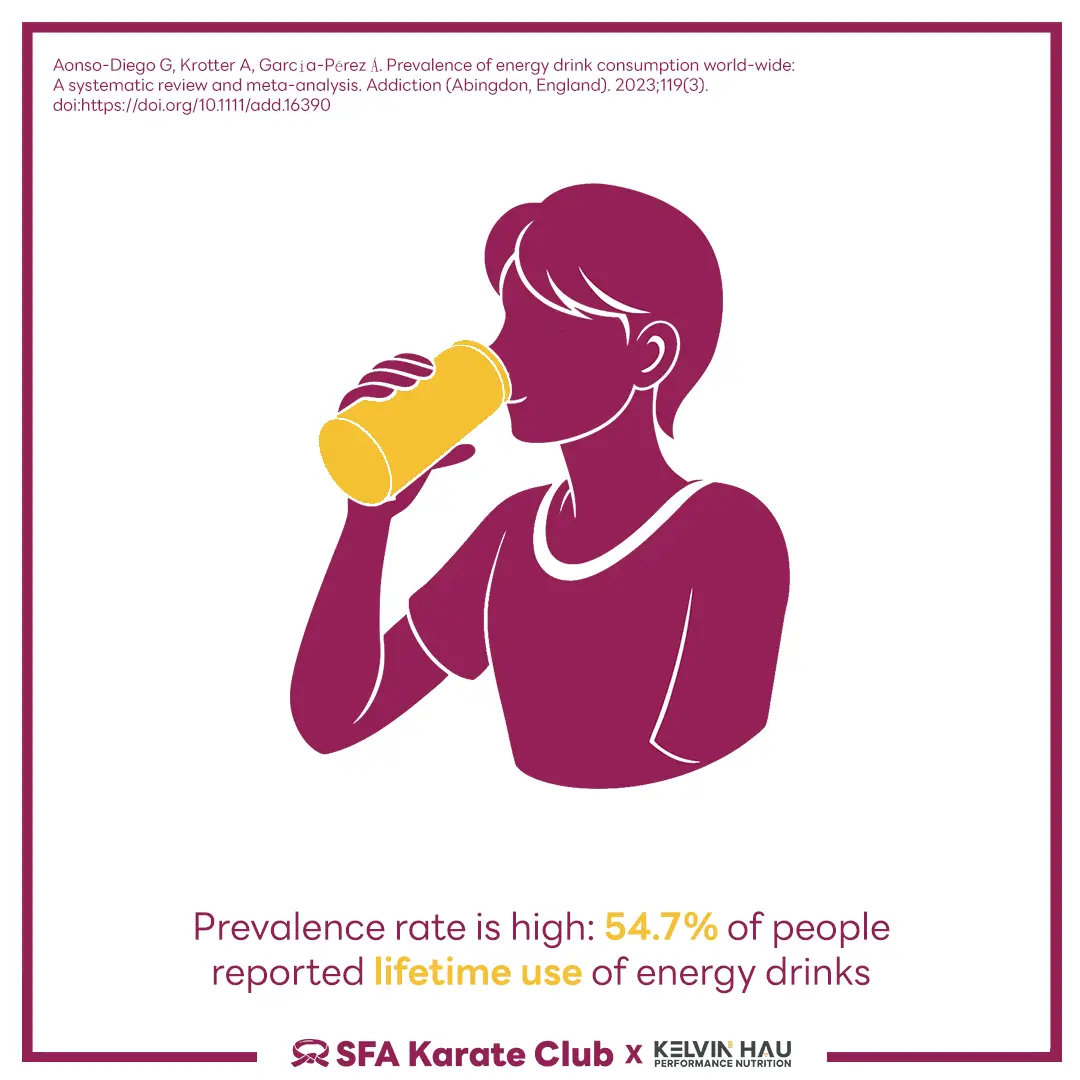
- 54.7% of people reported lifetime use of energy drinks
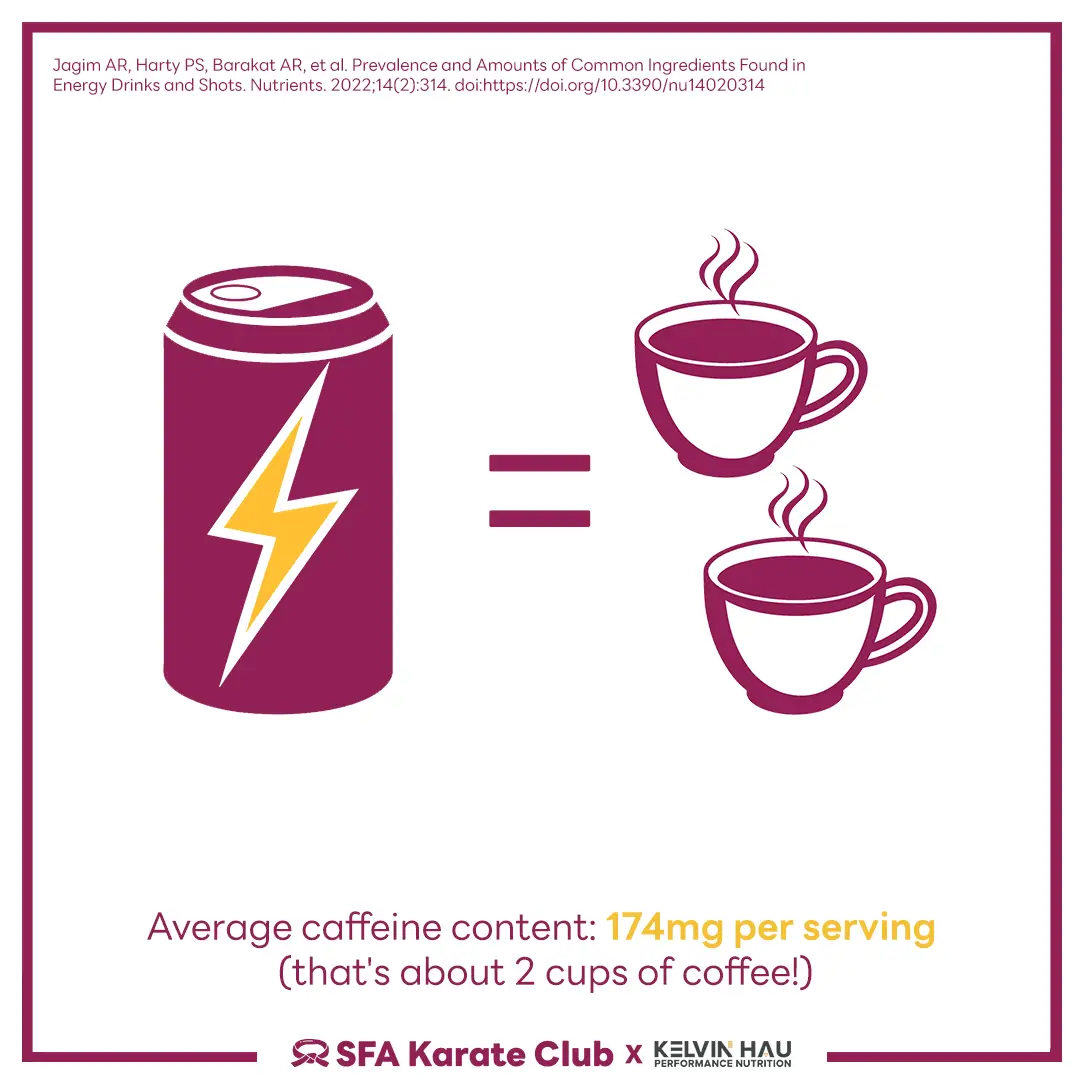
- Average caffeine content: 174mg per serving (that's about 2 cups of coffee!)
🔍 Key Ingredients & What You Need to Know:
- Caffeine: The primary stimulant
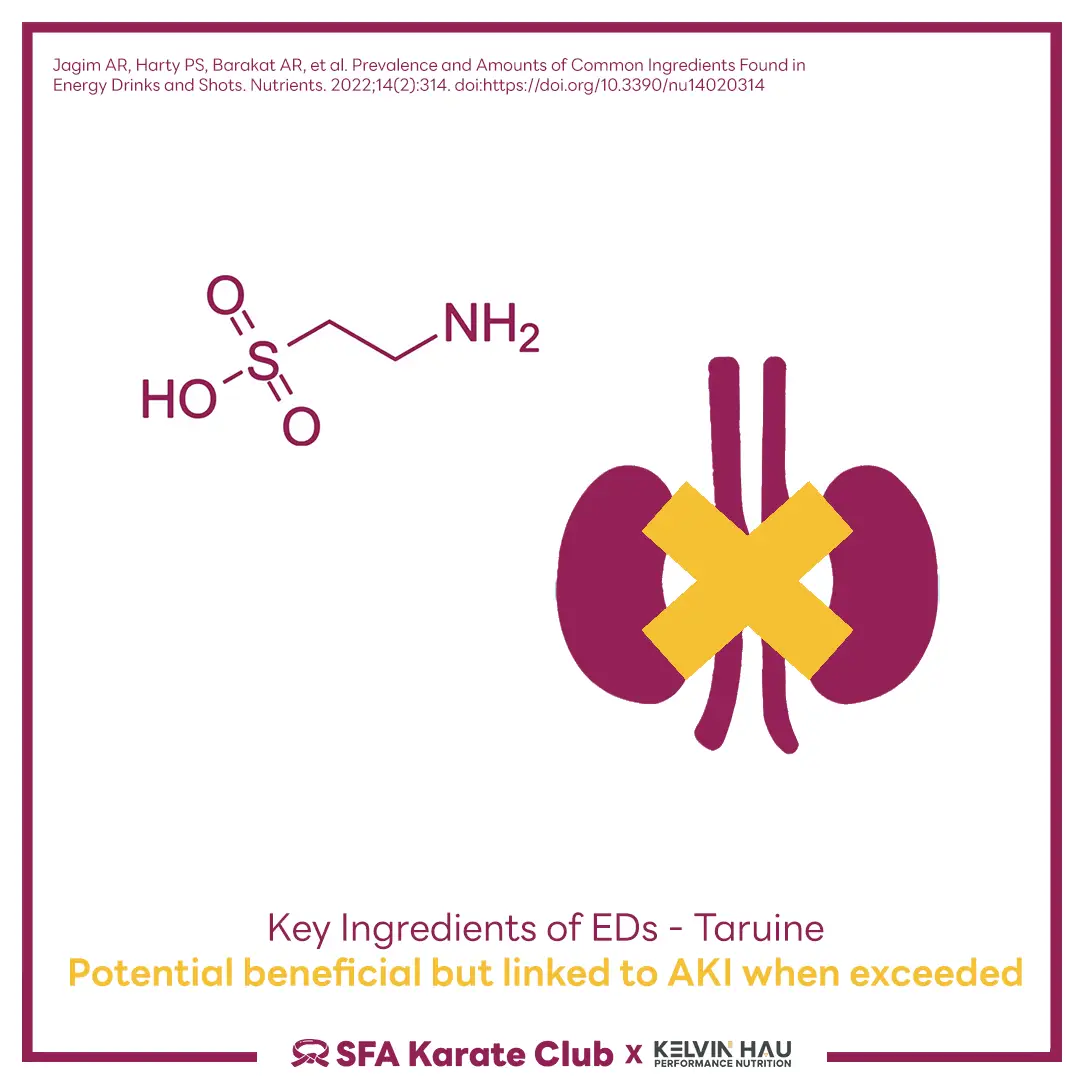
- Taurine: Potential benefits to physical performance but linked to acute kidney injury when consumed excessively
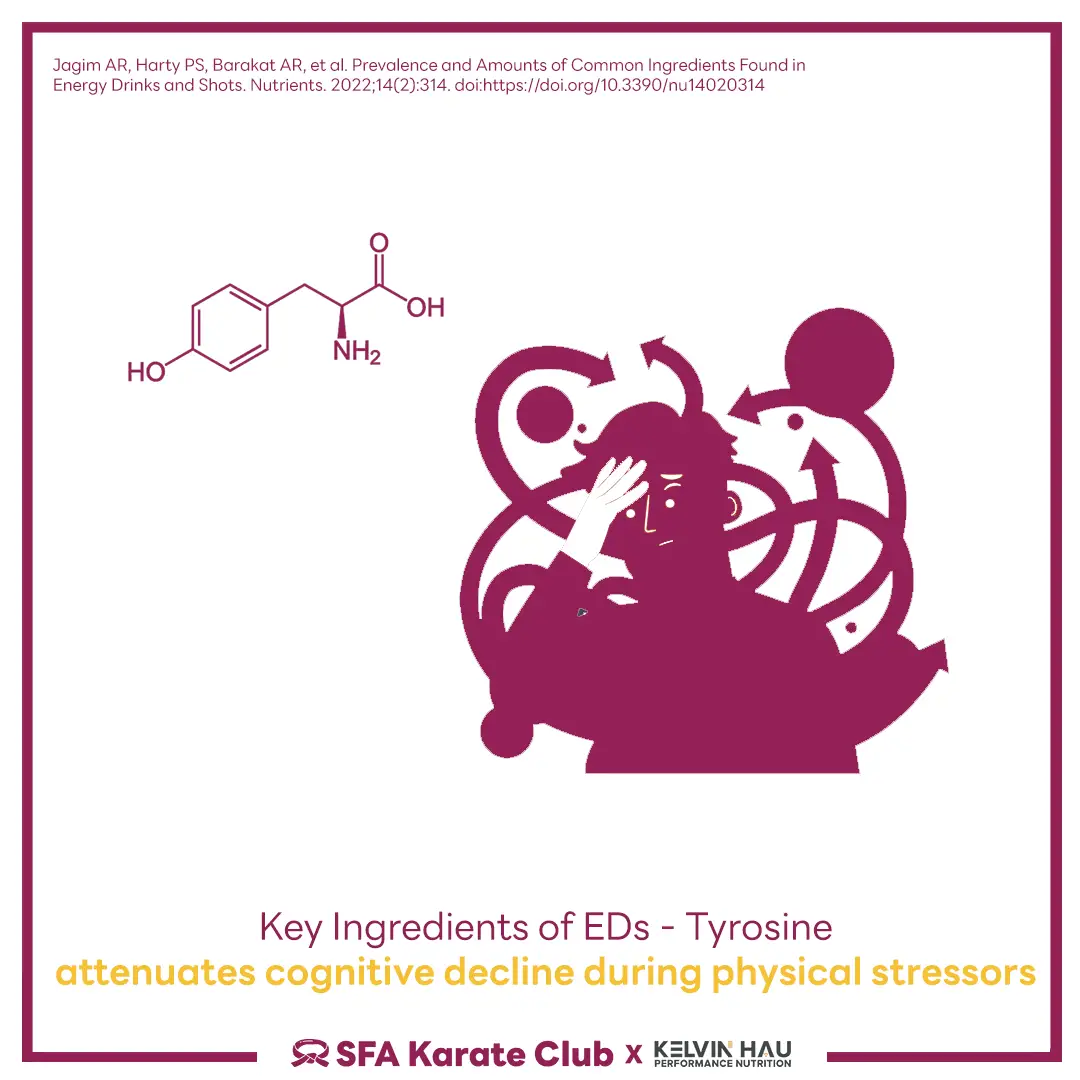
- Tyrosine: Can attenuate a decline in cognitive function during physical stressors
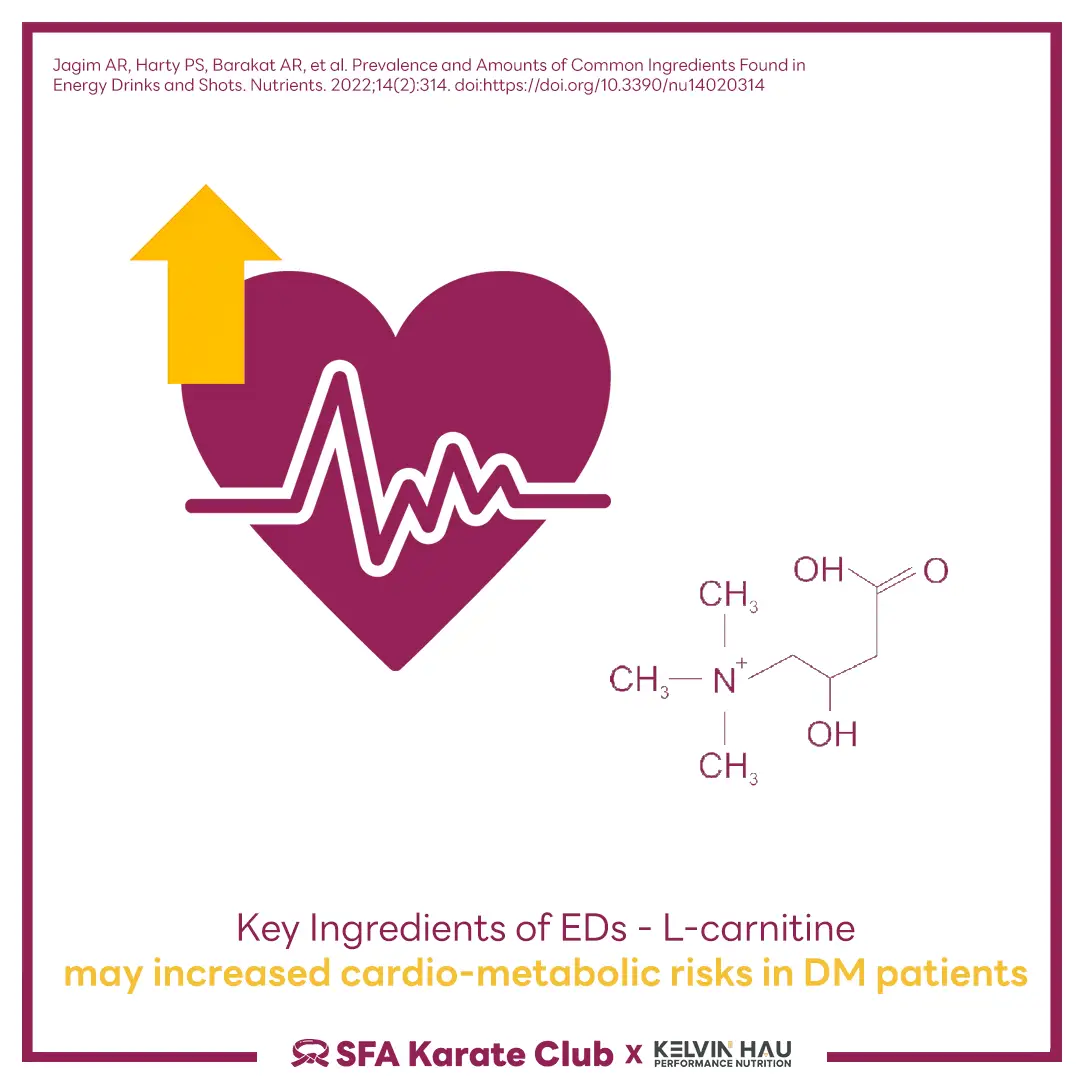
- L-carnitine: General safety in healthy individuals, related metabolites may associate with increased cardio-metabolic risks in diabetic patients
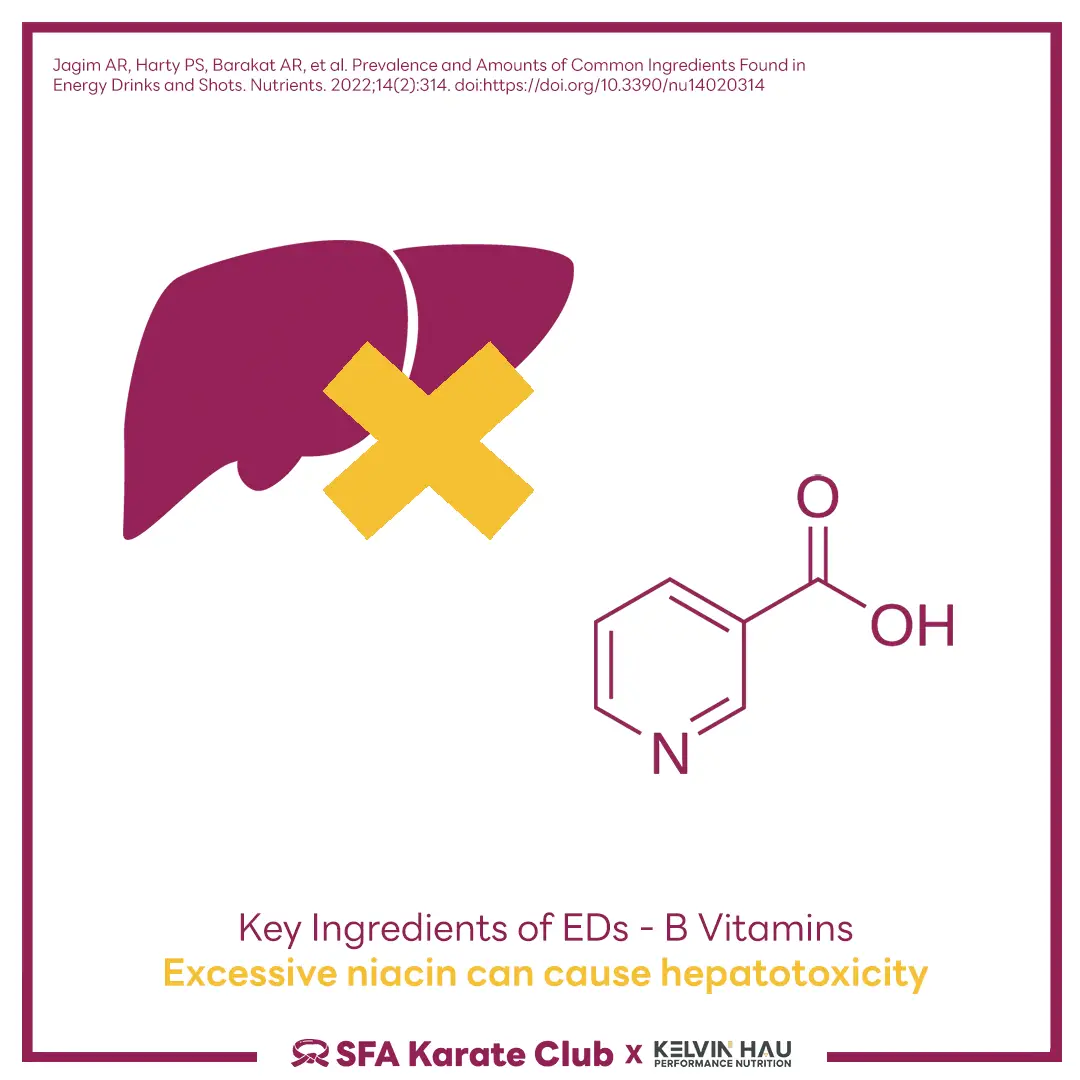
- B Vitamins: Often in amounts exceeding daily needs, excessive niacin can cause hepatotoxicity
- Sugar: Many contain excessive amounts (opt for sugar-free if needed)
⚠️ Health Considerations:
- Can affect heart rate, blood pressure and increase the risk of dangerous heart rhythms
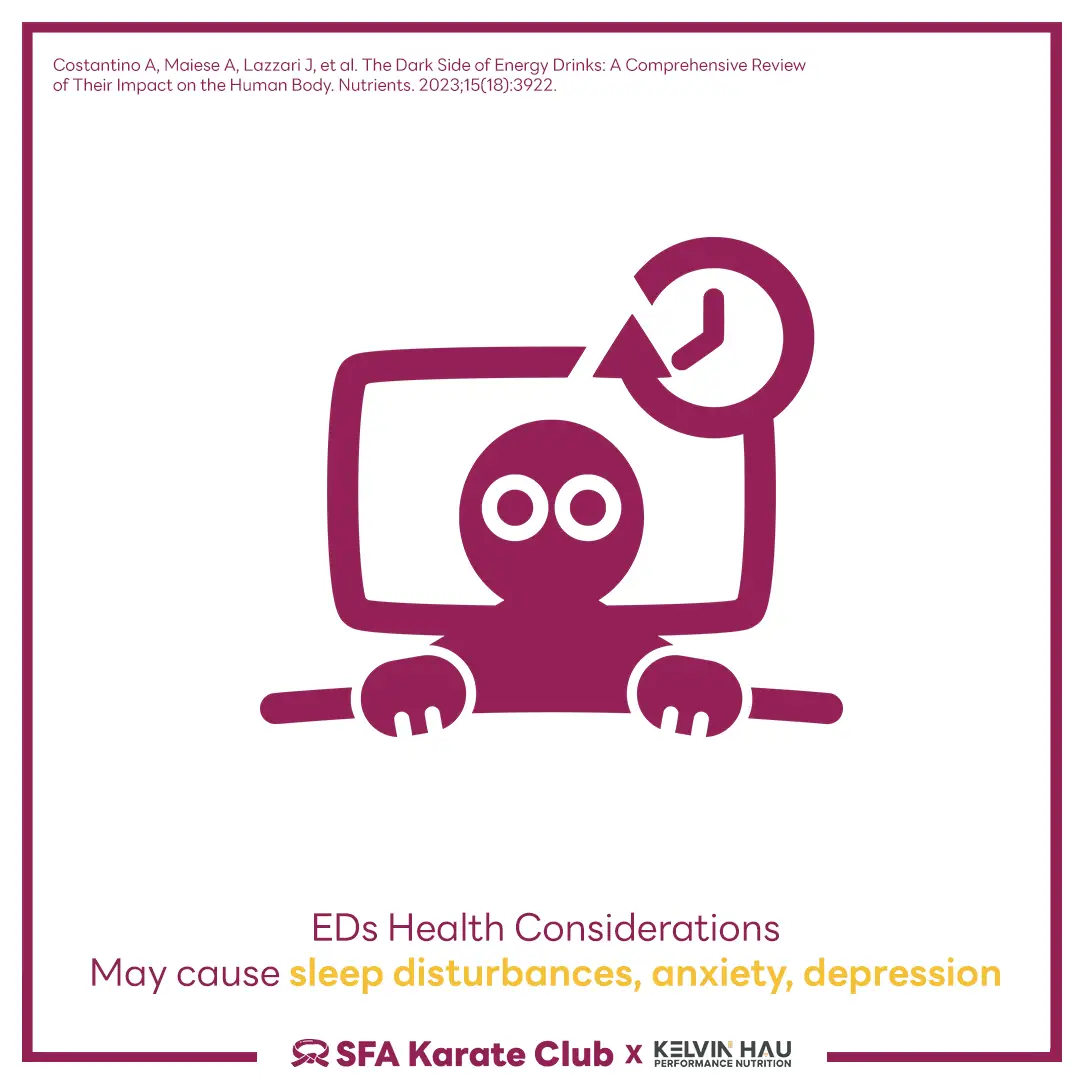
- May cause sleep disturbances, anxiety, depressive symptoms
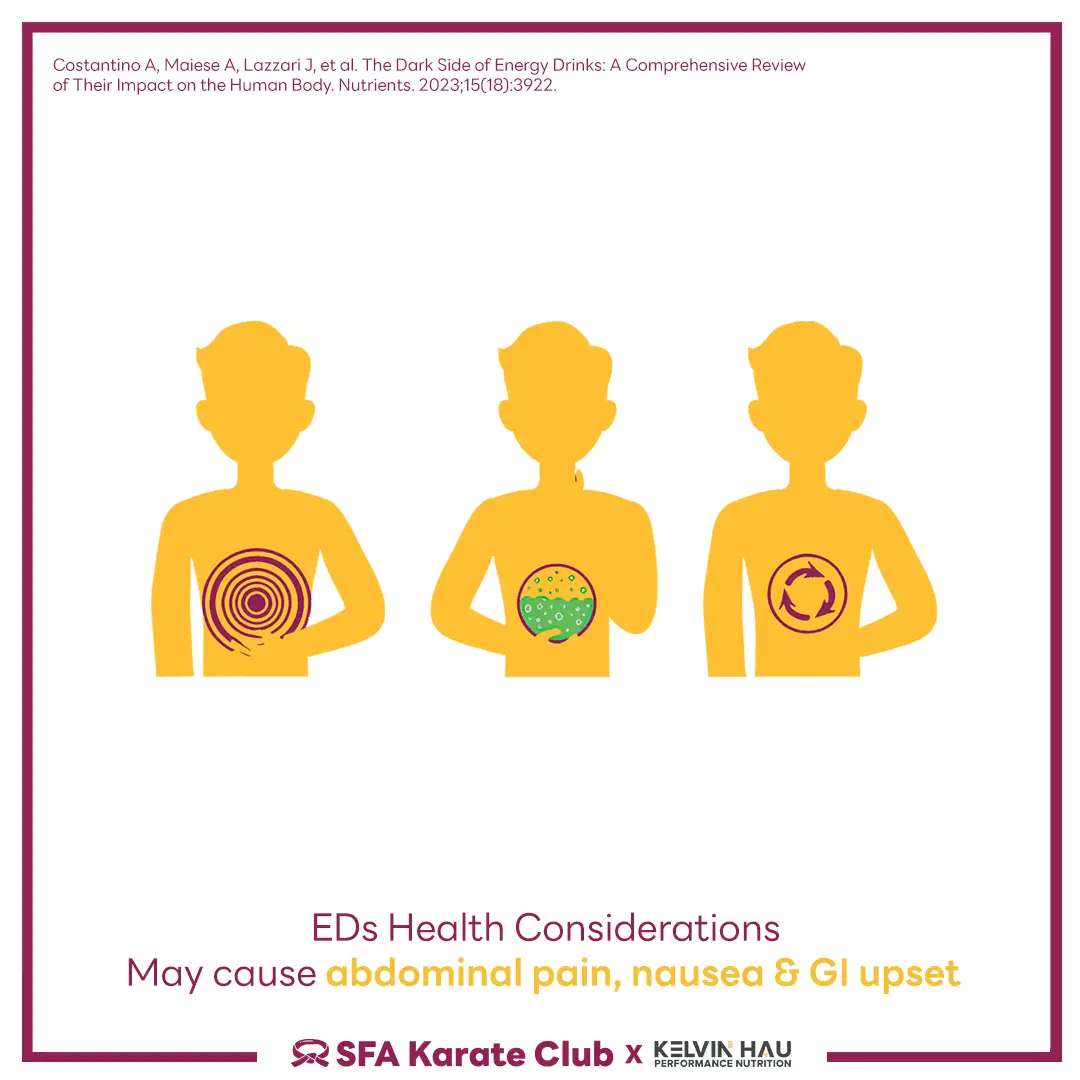
- May cause abdominal pain, nausea, and gastrointestinal upset
- Not recommended for children, pregnant women, or those with pre-existing cardiovascular, metabolic, or neurological conditions
- Risk increases when mixed with alcohol
💡 Professional Tips for Safe Consumption:
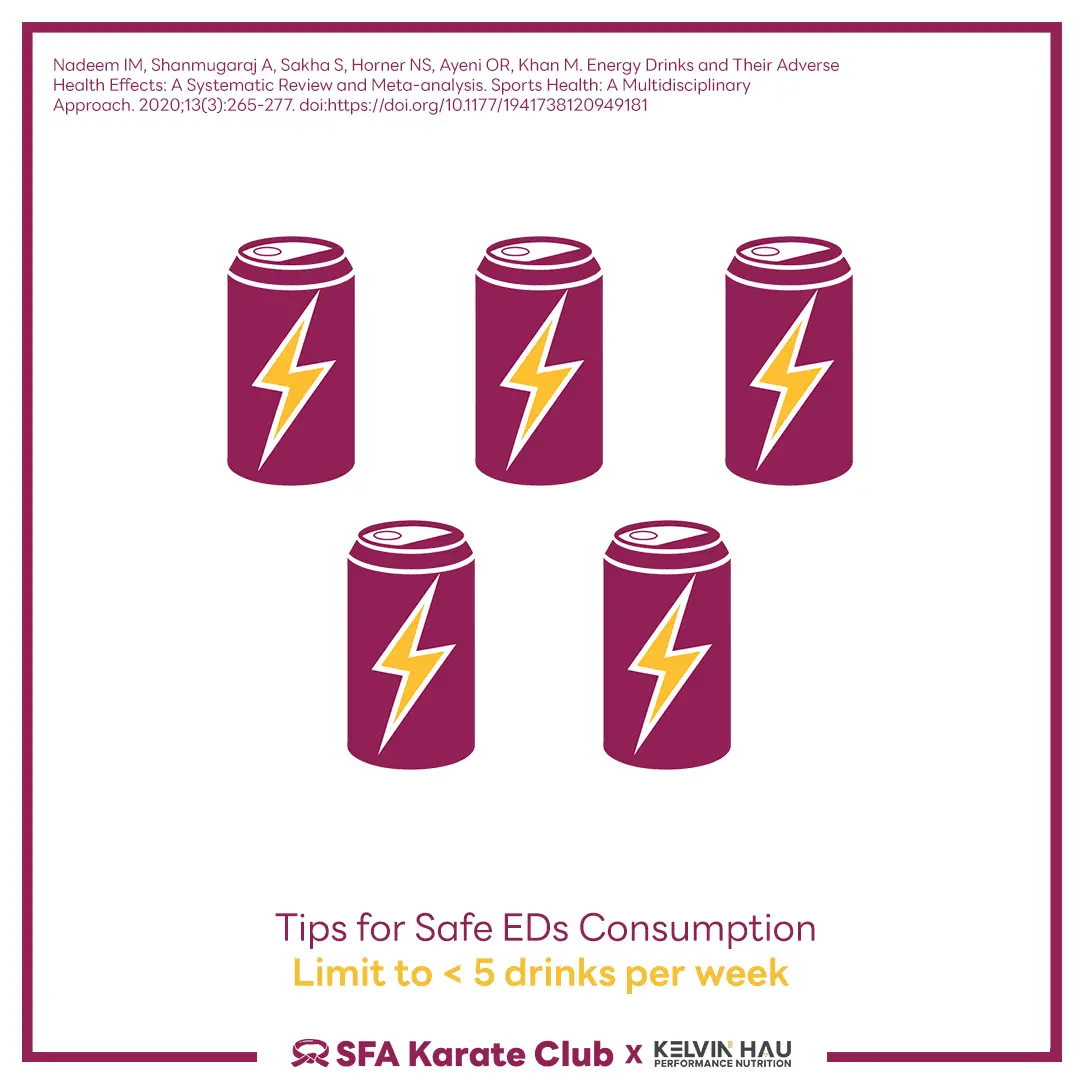
- Limit to < 5 drinks per week
- Avoid consumption 6 hours before sleep
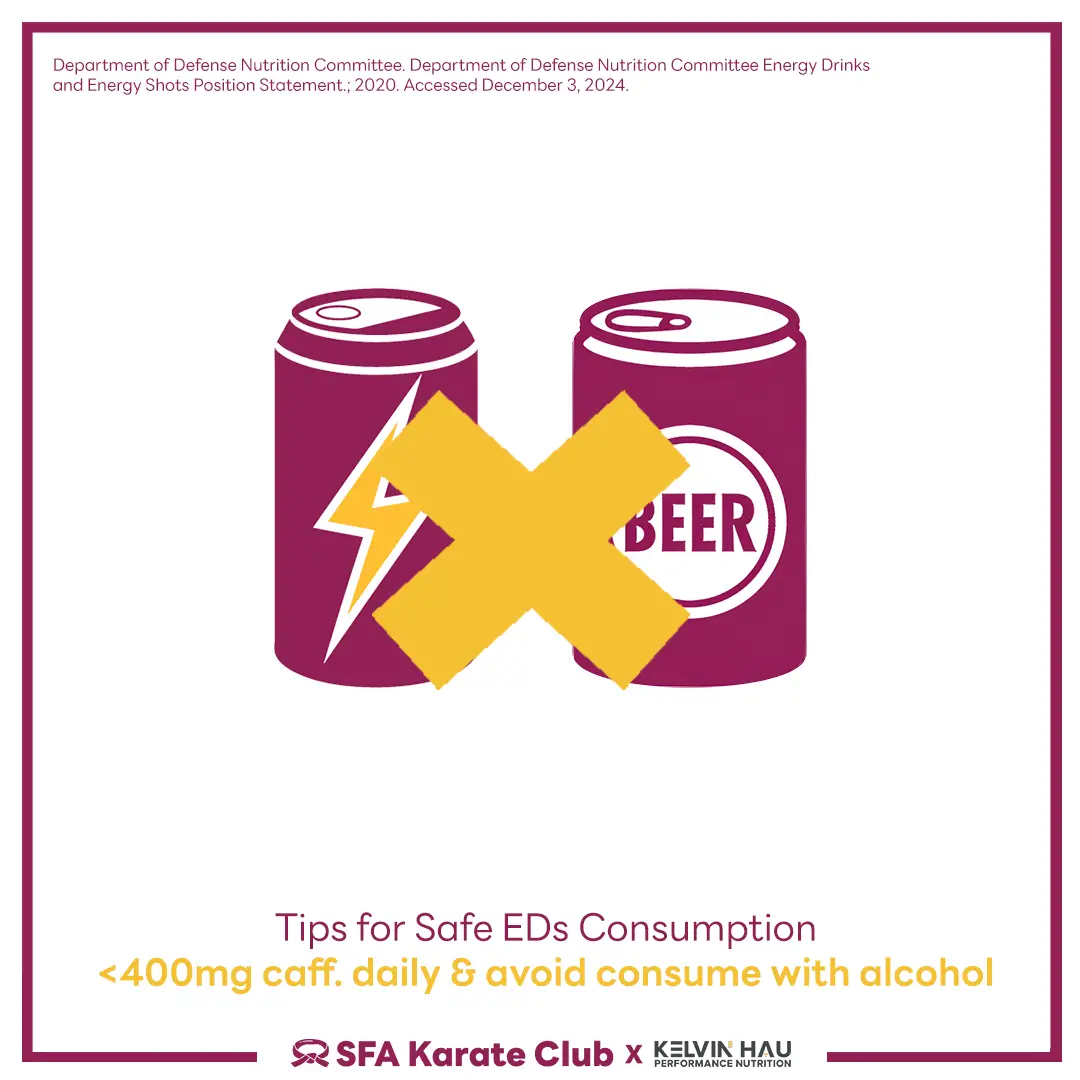
- Avoid co-consumption with alcohol
- Stay within 2-6mg/kg BW or <400mg caffeine daily from all sources
- Never consume EDs Pre-, peri-, and Post-strenuous activities
🎯 Bottom Line:
While energy drinks may provide short-term benefits, they're not a substitute for proper sleep, nutrition, and hydration. Always prioritize sustainable energy sources through balanced nutrition and adequate rest.
Reference:
- Gualberto PIB, Benvindo VV, Waclawovsky G, Deresz LF. Acute effects of energy drink consumption on cardiovascular parameters in healthy adults: a systematic review and meta-analysis of randomized clinical trials. Nutrition Reviews. Published online September 11, 2023. doi:https://doi.org/10.1093/nutrit/nuad112
- Protano C, Valeriani F, De Giorgi A, et al. Consumption Patterns of Energy Drinks in University Students: a Systematic Review and Meta-analysis. Nutrition. 2022;107:111904. doi:https://doi.org/10.1016/j.nut.2022.111904
- Aonso-Diego G, Krotter A, García-Pérez Á. Prevalence of energy drink consumption world-wide: A systematic review and meta-analysis. Addiction (Abingdon, England). 2023;119(3). doi:https://doi.org/10.1111/add.16390
- Jagim AR, Harty PS, Tinsley GM, et al. International society of sports nutrition position stand: energy drinks and energy shots. Journal of the International Society of Sports Nutrition. 2023;20(1). doi:https://doi.org/10.1080/15502783.2023.2171314
- Jagim AR, Harty PS, Barakat AR, et al. Prevalence and Amounts of Common Ingredients Found in Energy Drinks and Shots. Nutrients. 2022;14(2):314. doi:https://doi.org/10.3390/nu14020314
- Costantino A, Maiese A, Lazzari J, et al. The Dark Side of Energy Drinks: A Comprehensive Review of Their Impact on the Human Body. Nutrients. 2023;15(18):3922. doi:https://doi.org/10.3390/nu15183922
- Department of Defense Nutrition Committee. Department of Defense Nutrition Committee Energy Drinks and Energy Shots Position Statement.; 2020. Accessed December 3, 2024. https://www.opss.org/sites/default/files/downloadable/DoD%20Nutrition%20Committee%20Energy%20Drinks%20PS_042720_0.pdf
- Nadeem IM, Shanmugaraj A, Sakha S, Horner NS, Ayeni OR, Khan M. Energy Drinks and Their Adverse Health Effects: A Systematic Review and Meta-analysis. Sports Health: A Multidisciplinary Approach. 2020;13(3):265-277. doi:https://doi.org/10.1177/1941738120949181