

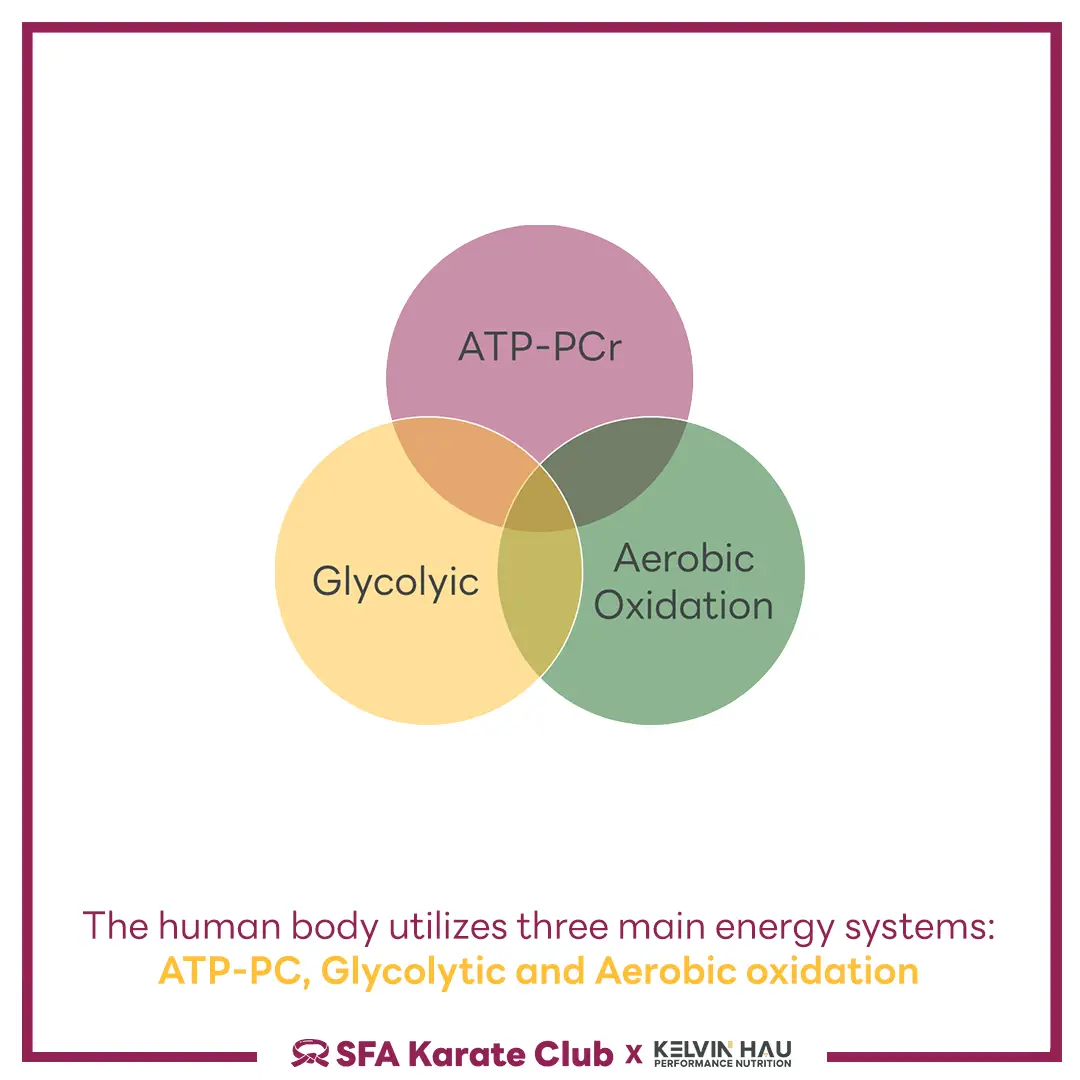
- The human body utilizes three main energy systems to produce ATP, the energy currency of the cells: the Phosphagen System (ATP-PC System), Glycolytic System (Anaerobic Lactic Energy System) and the Aerobic Oxidation System.
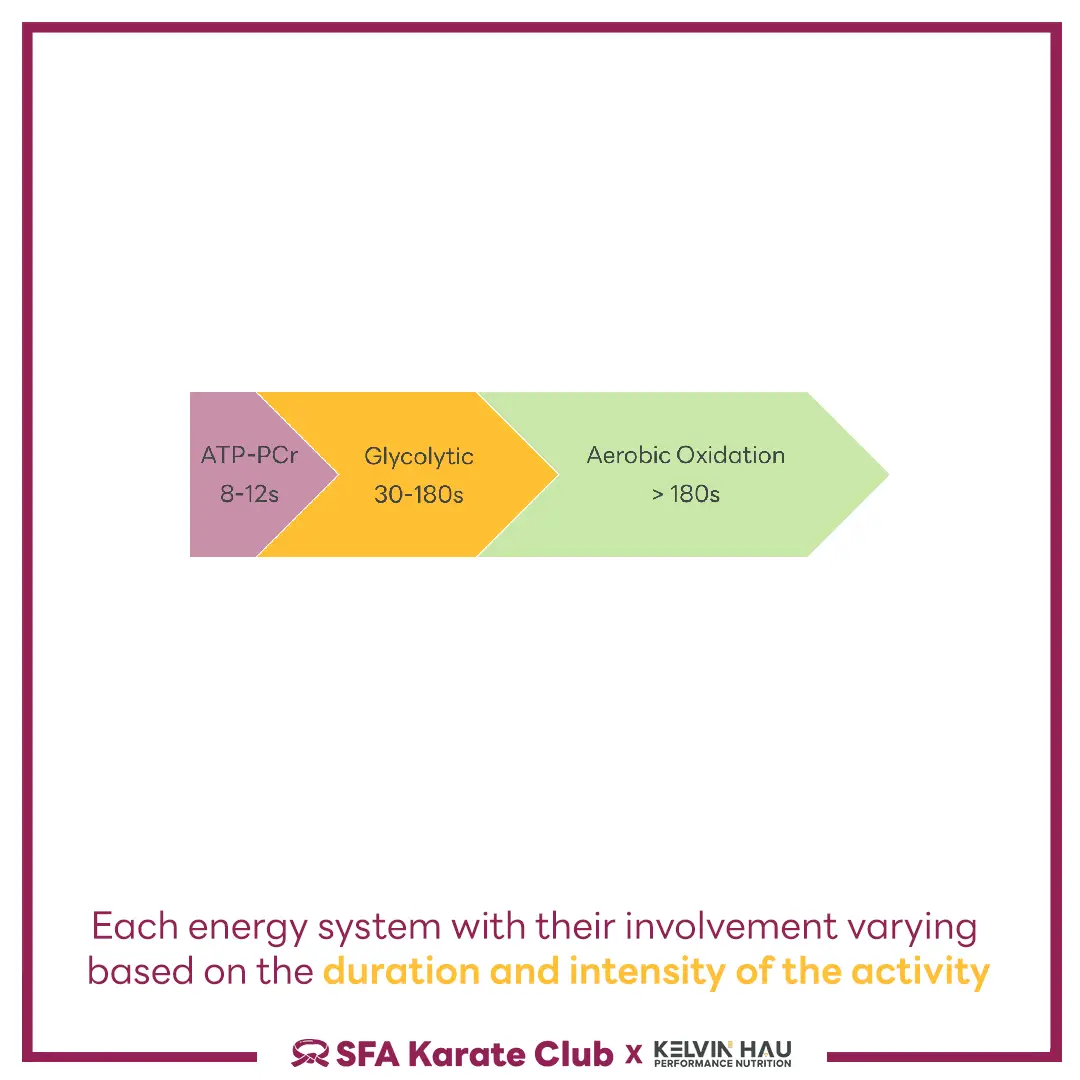
- Each energy system plays a crucial role in powering physical activities, with their involvement varying based on the duration and intensity of the activity.
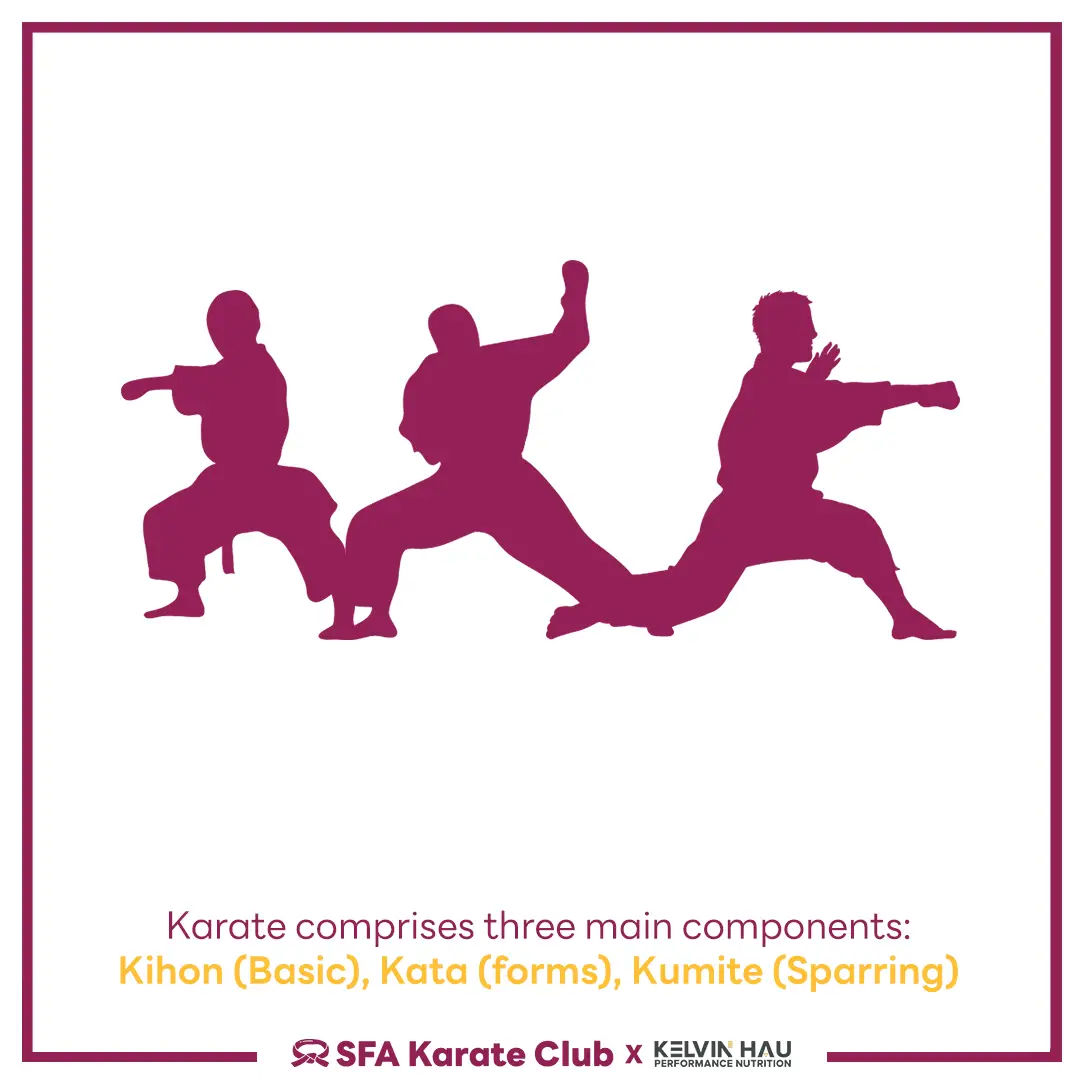
- Karate comprises three main components: Kihon (basic techniques), Kata (forms/patterns), and Kumite (sparring)
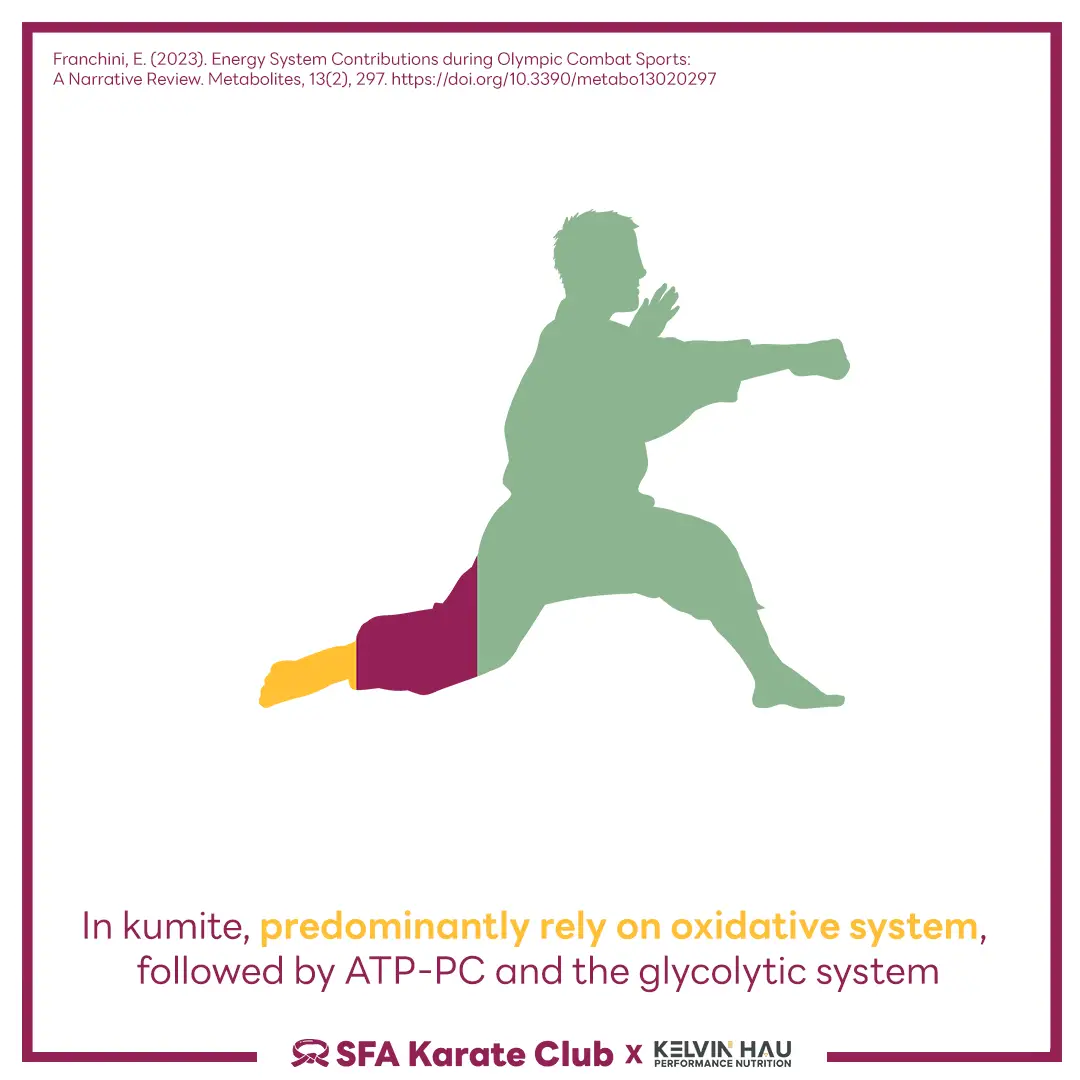
- In Kumite, karate athletes predominantly rely on the oxidative system, followed by the ATP-PC system, and finally, the glycolytic system.
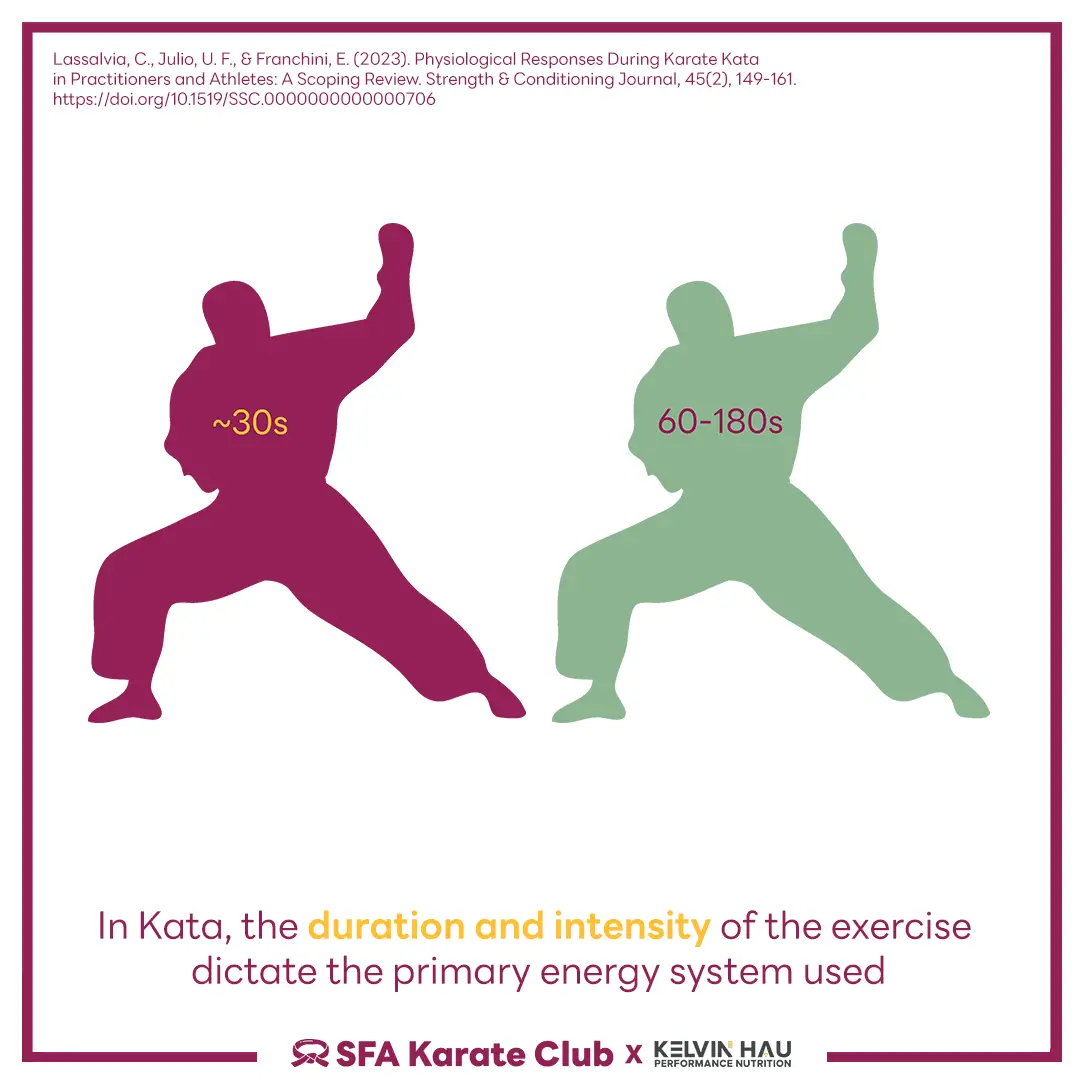
- Conversely, during Kata, the duration and intensity of the exercise dictate the primary energy system used. Longer durations favor the oxidative system, while higher-intensity and shorter durations better utilize the ATP-PC system.
Reference:
- Franchini, E. (2023). Energy System Contributions during Olympic Combat Sports: A Narrative Review. Metabolites, 13(2), 297. https://doi.org/10.3390/metabo13020297
- Lassalvia, C., Julio, U. F., & Franchini, E. (2023). Physiological Responses During Karate Kata in Practitioners and Athletes: A Scoping Review. Strength & Conditioning Journal, 45(2), 149-161. https://doi.org/10.1519/SSC.0000000000000706