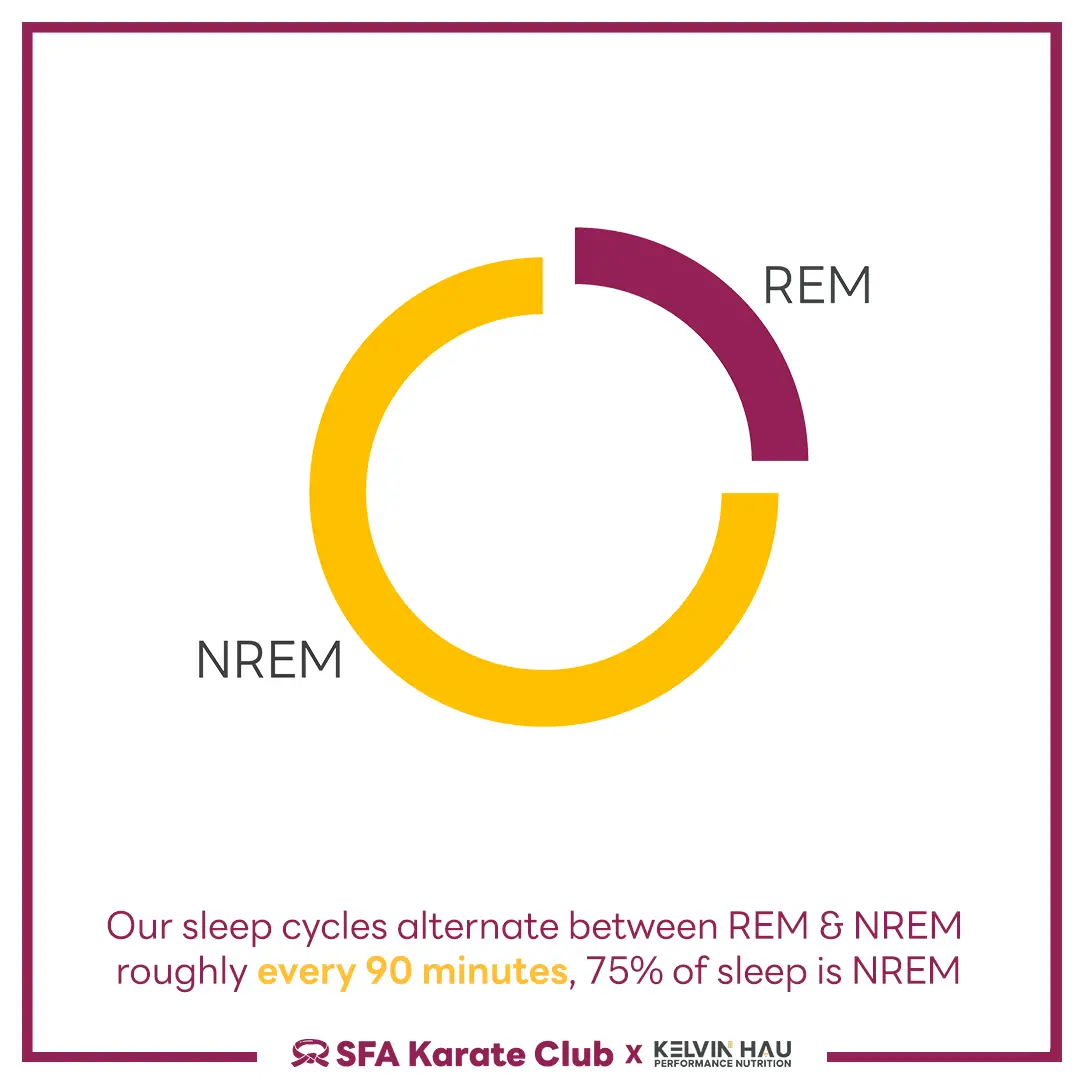
- Did you know our sleep cycles alternate between REM (Rapid Eye Movement) and NREM (Non-Rapid Eye Movement) roughly every 90 minutes? About 75% of our sleep is spent in NREM, essential for physical recovery.
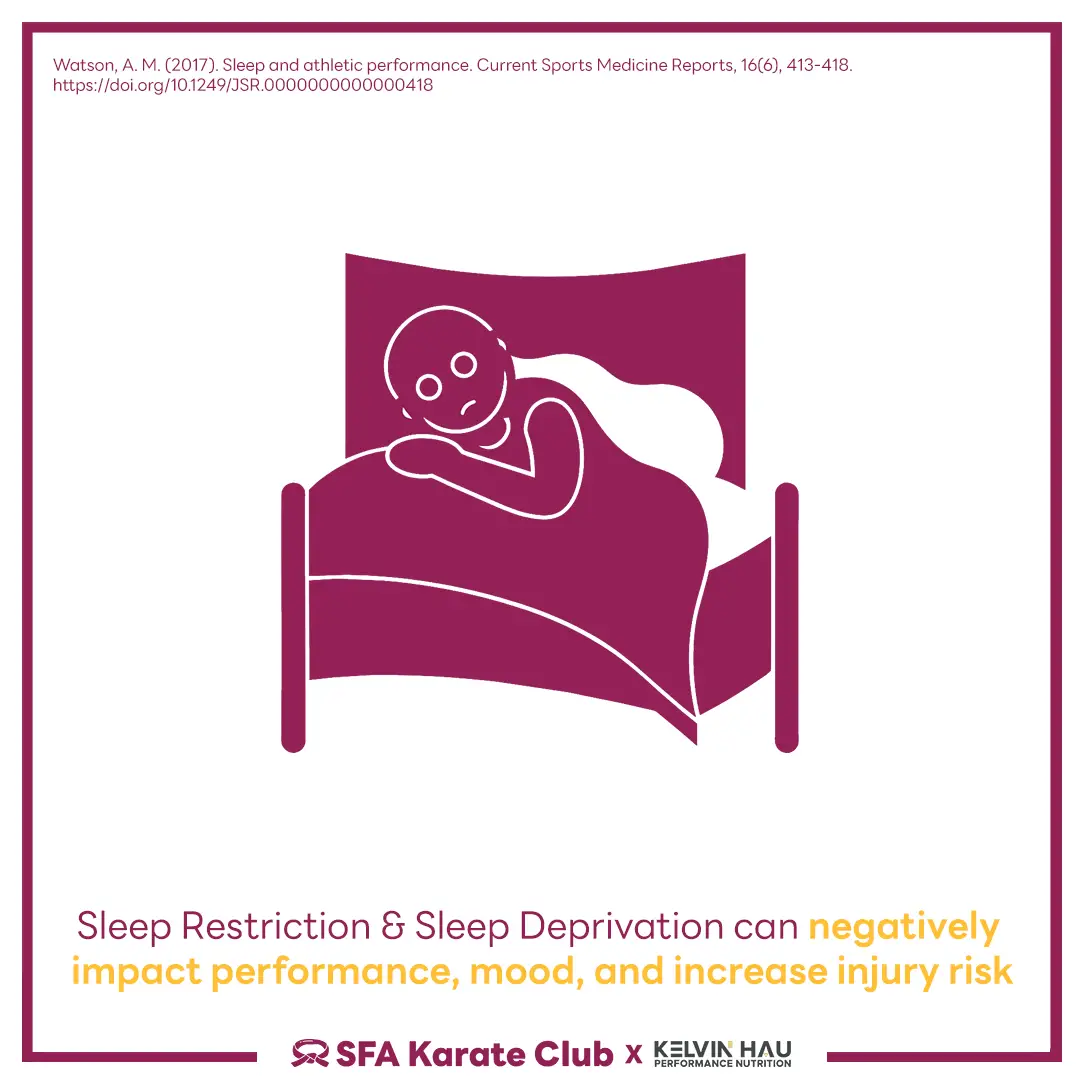
- Sleep restriction means falling asleep later or waking up earlier than usual. Sleep deprivation is more severe, like pulling an all-nighter. Even losing a couple of hours can negatively impact performance, mood, and increase injury risk.
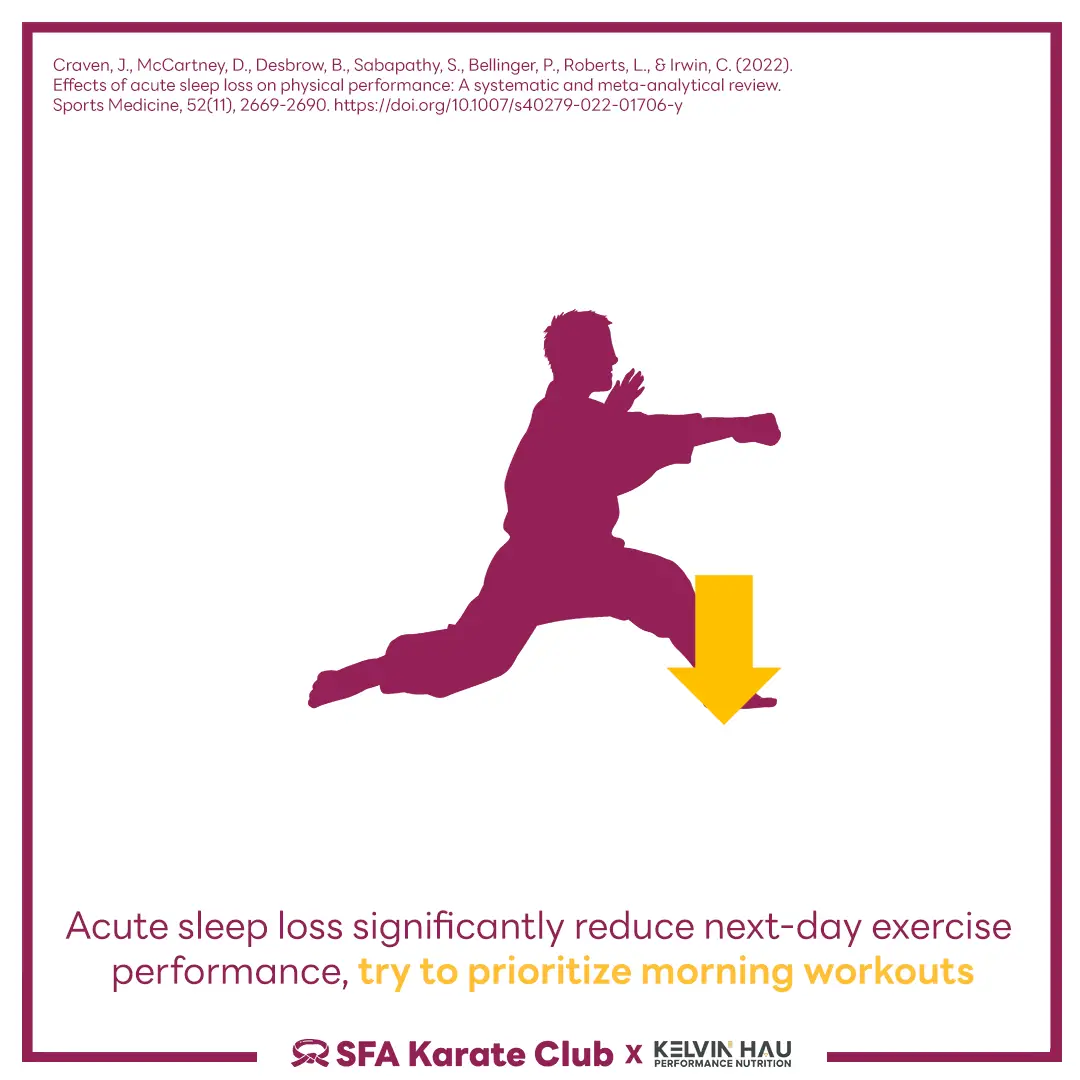
- Acute sleep loss can significantly reduce next-day exercise performance. If unavoidable, try to prioritize morning workouts to maintain performance levels.
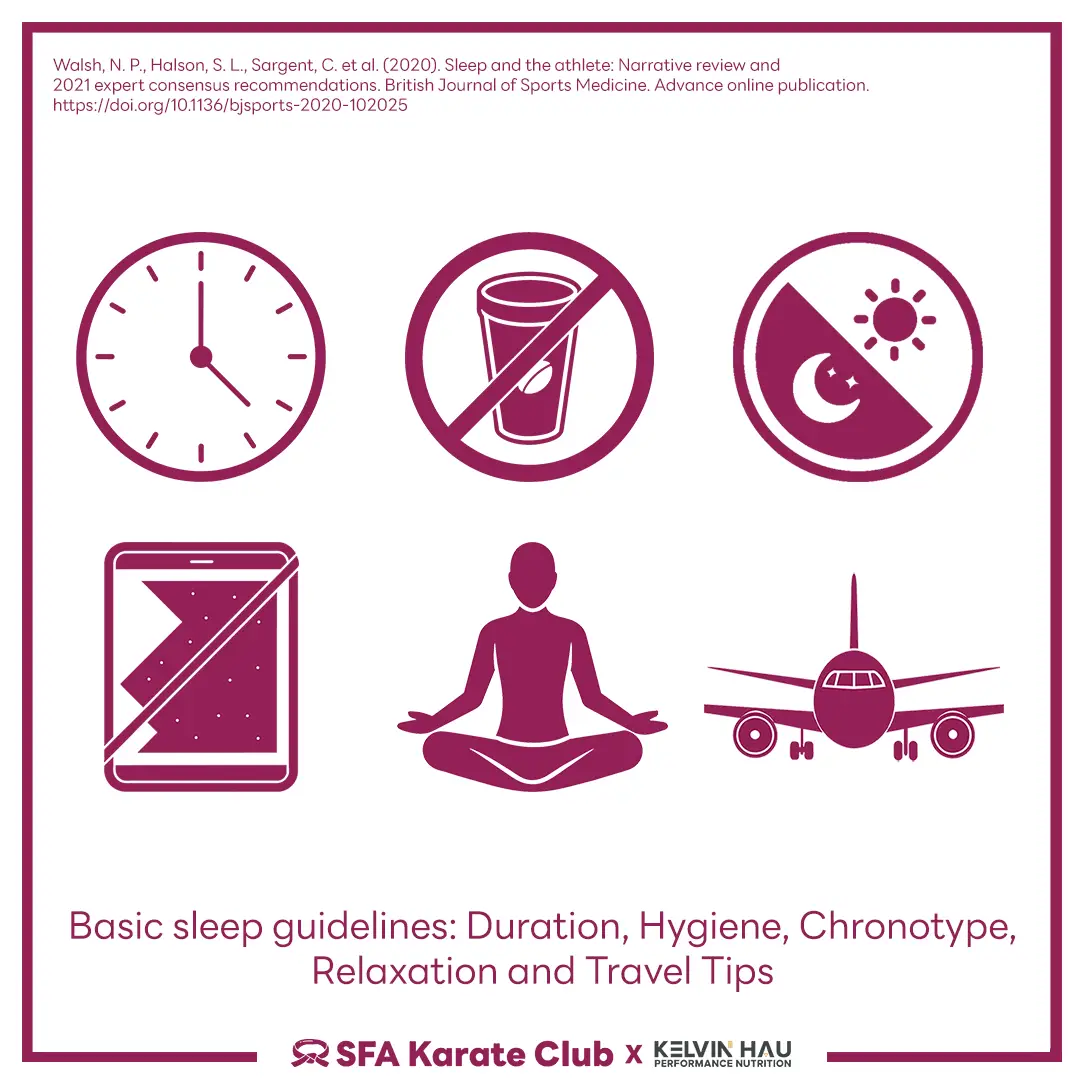
- Basic sleep guidelines:
- Duration: Aim for 7–9 hours for adults and 8–10 hours for teenagers. Athletes might need more due to the physical and psychological demands of their sport.
- Hygiene: Avoid stimulants (caffeine), alcohol, and heavy meals close to bedtime. Ensure adequate morning light exposure, avoid lying awake in bed, and create a cool, dark, quiet sleep environment.
- Chronotype: Train according to your natural body clock; avoid early morning or late-night sessions to allow ample recovery time.
- Tech Use: Minimize screen time before bed to prevent disruption of your sleep cycle.
- Relaxation Techniques: Use relaxation and breathing techniques to help you fall asleep more easily.
- Travel Tips: Adjust sleep-wake and meal times to the destination's local time when travelling across time zones to reduce jet lag.
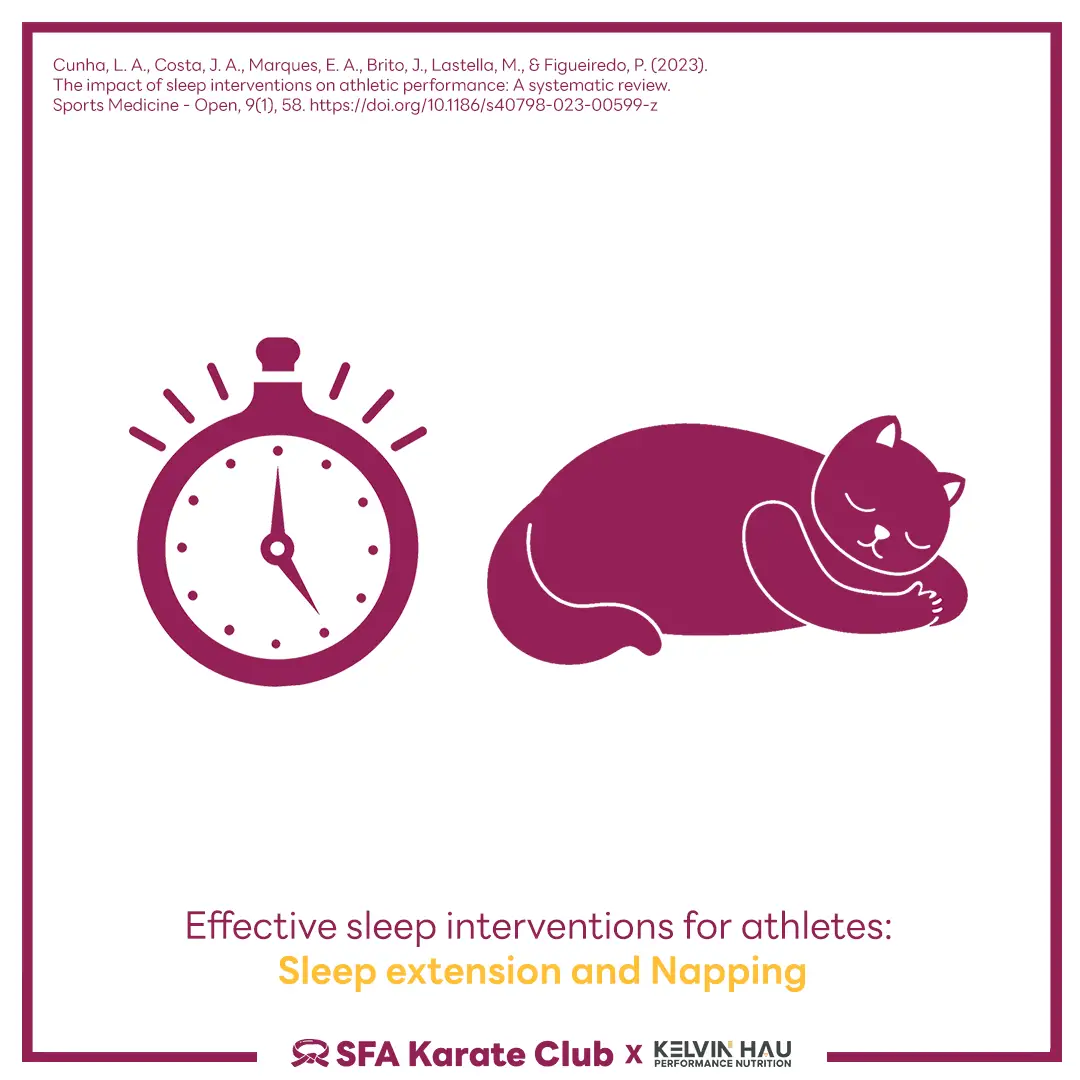
- Effective sleep interventions for athletes:
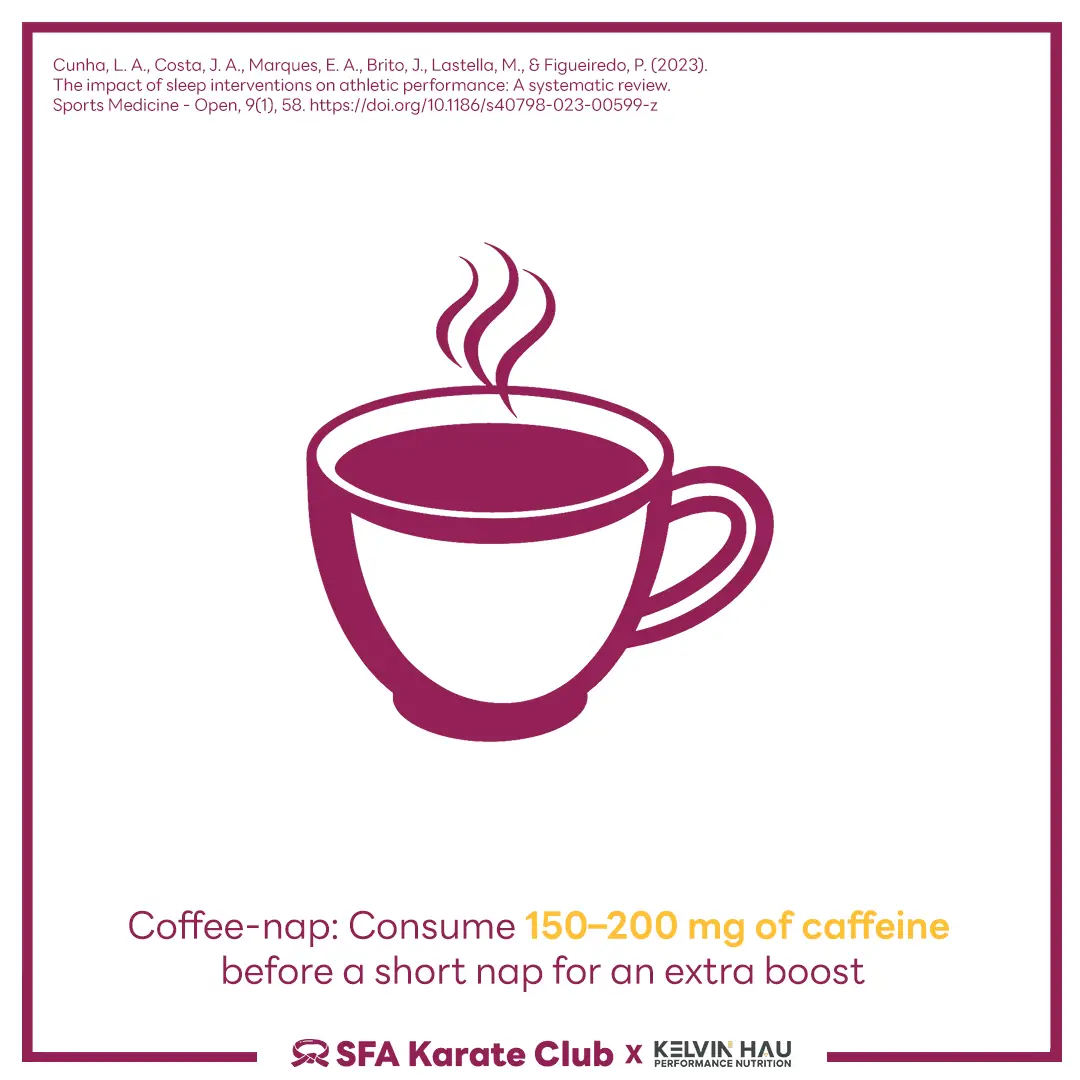
- Naps: Consider napping for 20–90 minutes, ideally between 13:00 and 16:00. Try a ‘coffee-nap’ with 150–200 mg of caffeine before a short nap for an extra boost.
- Sleep Extension: Extending sleep by 46–113 minutes over several nights can be beneficial. Aim for 9–10 hours in bed to achieve this.
Reference:
- Craven, J., McCartney, D., Desbrow, B., Sabapathy, S., Bellinger, P., Roberts, L., & Irwin, C. (2022). Effects of acute sleep loss on physical performance: A systematic and meta-analytical review. Sports Medicine, 52(11), 2669-2690. https://doi.org/10.1007/s40279-022-01706-y
- Cunha, L. A., Costa, J. A., Marques, E. A., Brito, J., Lastella, M., & Figueiredo, P. (2023). The impact of sleep interventions on athletic performance: A systematic review. Sports Medicine - Open, 9(1), 58. https://doi.org/10.1186/s40798-023-00599-z
- Watson, A. M. (2017). Sleep and athletic performance. Current Sports Medicine Reports, 16(6), 413-418. https://doi.org/10.1249/JSR.0000000000000418
- Walsh, N. P., Halson, S. L., Sargent, C. et al. (2020). Sleep and the athlete: Narrative review and 2021 expert consensus recommendations. British Journal of Sports Medicine. Advance online publication. https://doi.org/10.1136/bjsports-2020-102025